Children’s books from the 1990s
The 1990s shelf ranges from movement-heavy board books and photographic searches to middle-grade fantasy, historical fiction and horror. It is most useful as three different shelves: join-in books, books for looking and talking, and novels whose danger or history needs an older reader.
Choose the kind of participation
Barnyard Dance! asks children to move; Guess How Much I Love You turns comparison into gesture; I Spy asks them to solve a visual riddle; The Rainbow Fish and Stellaluna work best when the child can discuss the choices and differences in the story.
Series order and scare level matter
The three Harry Potter entries increase in length and threat and make sense in order. Goosebumps offers a much shorter route into deliberate horror, but Welcome to Dead House and Night of the Living Dummy are poor choices for a child seeking reassurance rather than suspense.
Historical and ethical context
Meet Addy begins with a child escaping slavery and needs historical framing. Shiloh centres animal mistreatment and a difficult choice; The Giver includes death beneath its orderly society; Maniac Magee treats racism, homelessness and loss. These are discussion books, not general all-ages nostalgia picks.
Choose a reading stage, then open a book for its review, reading guide and edition advice.
Book group 1 of 2
Picture books & shared reading
For visual discovery, familiar read-alouds, and lap reading.
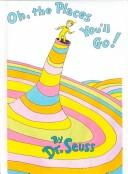 First published 1990Oh, the Places You'll Go!View book & review →
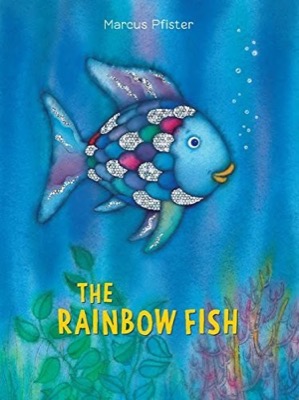 First published 1992The Rainbow FishView book & review →
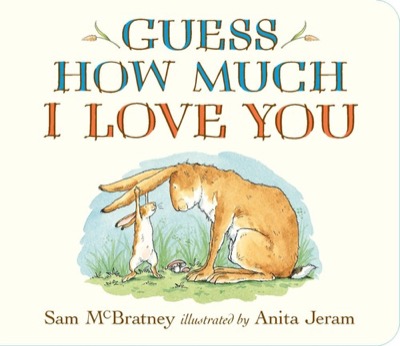 First published 1994Guess How Much I Love YouView book & review →
 First published 1990The Very Quiet CricketView book & review →
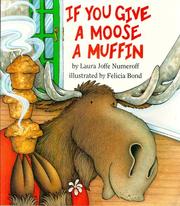 First published 1991If You Give a Moose a MuffinView book & review →
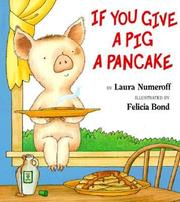 First published 1998If You Give a Pig a PancakeView book & review →
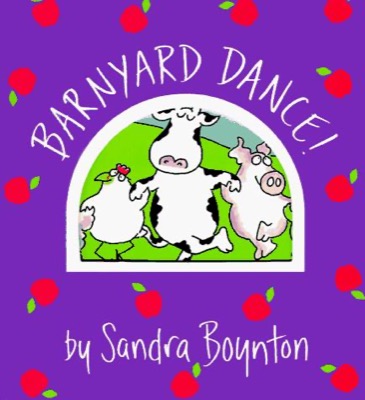 First published 1993Barnyard Dance!View book & review →
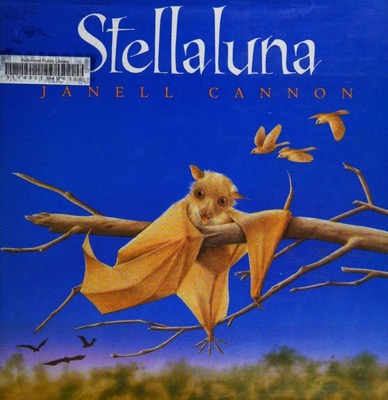 First published 1993StellalunaView book & review →
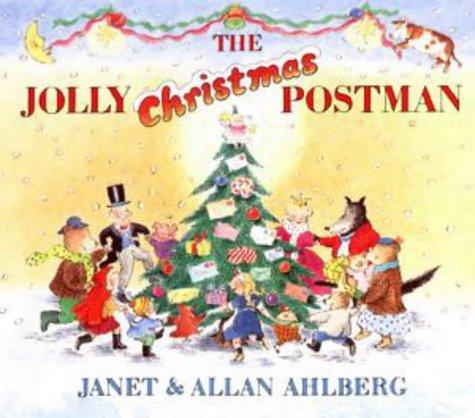 First published 1991The Jolly Christmas PostmanView book & review →
 First published 1992The Stinky Cheese Man and Other Fairly Stupid TalesView book & review →
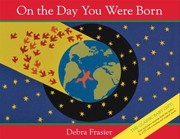 First published 1991On the Day You Were BornView book & review →
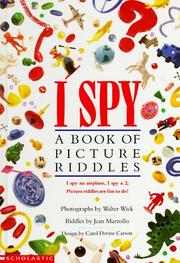 First published 1992I Spy: A Book of Picture RiddlesView book & review →
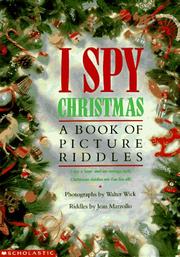 First published 1992I Spy Christmas: A Book of Picture RiddlesView book & review →
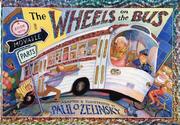 First published 1990The Wheels on the BusView book & review →
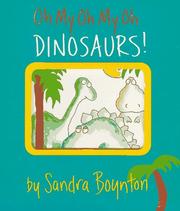 First published 1993Oh My Oh My Oh Dinosaurs!View book & review →
 First published 1998Today I Feel Silly & Other Moods That Make My DayView book & review →
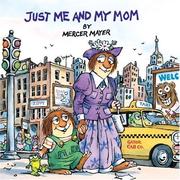 First published 1990Just Me and My MomView book & review →
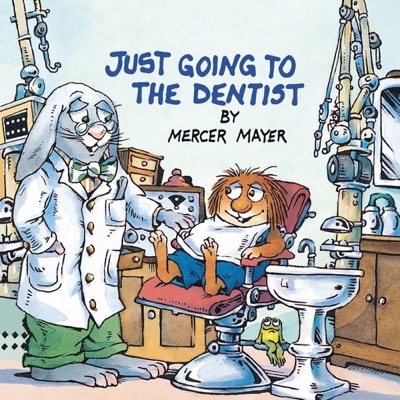 First published 1990Just Going to the DentistView book & review →
Book group 2 of 2
For older children
Poetry, activities, and longer fiction. Check the parent notes before choosing these for a younger child.
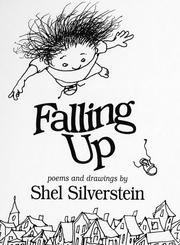 First published 1996Falling UpView book & review →
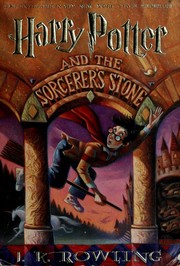 First published 1997Harry Potter and the Sorcerer's StoneView book & review →
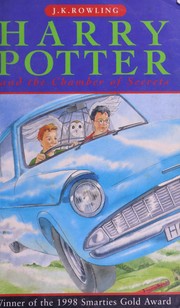 First published 1998Harry Potter and the Chamber of SecretsView book & review →
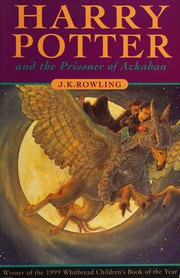 First published 1999Harry Potter and the Prisoner of AzkabanView book & review →
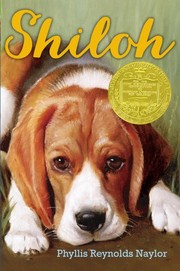 First published 1991ShilohView book & review →
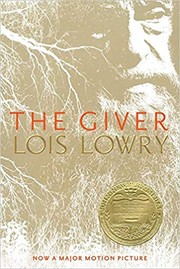 First published 1993The GiverView book & review →
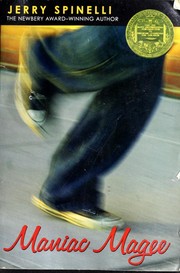 First published 1990Maniac MageeView book & review →
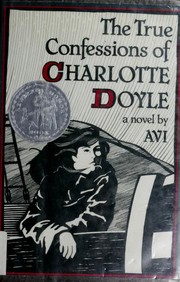 First published 1990The True Confessions of Charlotte DoyleView book & review →
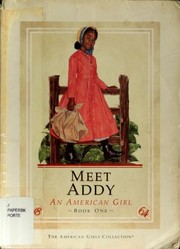 First published 1993Meet AddyView book & review →
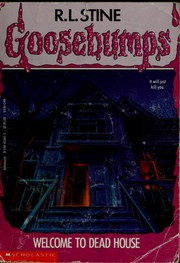 First published 1992Welcome to Dead HouseView book & review →
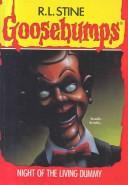 First published 1993Night of the Living DummyView book & review →
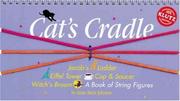 First published 1993Cat's CradleView book & review →