Books for 6 Year Olds
Choose the next book by the reading task: practicing newly learned patterns, reading a short episode with less help, or listening to a longer story. Six-year-olds can use these books in different ways, so the shelf explains the text demands instead of assigning every child the same next step.

Choose between an episode and a continuing plot
Frog and Toad offers separate incidents within a collection. Mr. Putter & Tabby uses short divisions within a small domestic story. Mercy Watson carries a larger comic incident across short chapters and prominent illustrations. Compare how much the reader needs to remember between sessions, rather than choosing only by the number of pages.
An episodic book can be useful when the reader wants to finish something in one sitting. A continuing plot can be useful when anticipation of the next incident is part of the appeal. Both can be shared with an adult; neither format proves that the text is independently readable for a particular child.
Inspect the reading support on the page
Speech bubbles identify the speakers in Elephant & Piggie. Repeated vocabulary supports some traditional early readers. A phonics scheme gives another kind of support by controlling the taught spelling patterns. Check which support the child is using and whether that matches the purpose of the session. A successful performance from memory is different from working through an unfamiliar word.
If a book is meant for independent practice, check more than its first page. Look at an ordinary middle spread and at a page with a new character or setting. Keep a separate, more ambitious read-aloud available so practice-level text does not limit the stories and ideas the child can hear.
Keep interests broader than reading levels
A funny dialogue, a friendship story and an adventure ask different things of their reader. Choose a protagonist, topic or series the child is curious about without treating gender as a reading category. Returning to a favorite picture book and trying a new chapter story can both belong on the same shelf. Use the notes about structure and caution to make the choice concrete.
Compare every cover and read-aloud time
Open any book for its details, review and things worth knowing, right here. Read-aloud times are estimates for an unhurried pace, including time for page-turning and looking at pictures. How Owl and Page estimates read-aloud time.
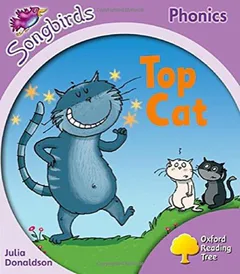 Oxford Reading Tree Songbirds Phonics: Level 1+: Top CatAges 4–6 · 1.5 min · about 55 wordsFull book page
- Estimated read-aloud time
- about 1.5 minutes
- Words
- 55approximate
- Sentences per spread
- 1
- Re-read tolerance
- 4/5good repeat appeal
- Vocabulary
- 1/5plain words
- Ages
- 4–6
Book features repeated refrain
Why it worksA constrained early code is embedded in a compact rhyming plot, so blending practice produces a complete reading event.
Worth knowingIt is not a first phonics lesson and becomes guessable after repetition; confirm the child is decoding rather than reciting.
Full book page Read Write Inc. Phonics: Sound Blending Book Bag Book 2Ages 4–6 · 2 min · about 40 wordsFull book page
- Estimated read-aloud time
- about 2 minutes
- Words
- 40approximate
- Sentences per spread
- 1
- Re-read tolerance
- 2/5a few readings
- Vocabulary
- 1/5plain words
- Ages
- 4–6
Book features repeated refrain · join-in questions
Why it worksA deliberately sparse one-word format concentrates practice on the difficult transition from separate phonemes to a blended word.
Worth knowingIt assumes correct Read Write Inc. sound pronunciation and offers almost no narrative; mismatched school terminology can confuse a beginner.
Full book page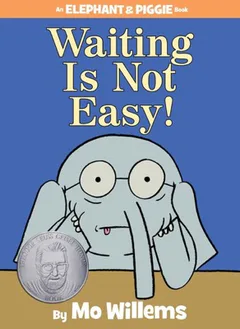 Waiting Is Not Easy!Ages 3–6 · 3 min · 197 wordsFull book page
- Estimated read-aloud time
- about 3 minutes
- Words
- 197
- Sentences per spread
- 1
- Re-read tolerance
- 5/5strong repeat appeal
- Vocabulary
- 1/5plain words
- Ages
- 3–6
Book features repeated refrain
Why it worksPiggie promises a surprise but will not reveal it early, and Gerald's repeated groans expand as daylight gives way to night. The final starry spread changes the pace and visual scale of the book, so the payoff depends on elapsed time rather than the escalating mishap used in There Is a Bird on Your Head!.
Worth knowingThe surprise is intentionally delayed until the closing night-sky scene. Readers wanting continuous action get repetition and anticipation instead.
Full book page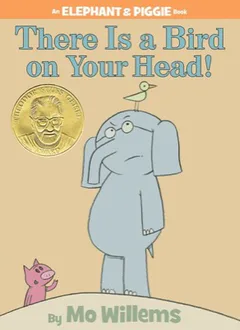 There Is a Bird on Your Head!Ages 3–6 · 3.5 min · 242 wordsFull book page
- Estimated read-aloud time
- about 3.5 minutes
- Words
- 242
- Sentences per spread
- 1
- Re-read tolerance
- 5/5strong repeat appeal
- Vocabulary
- 1/5plain words
- Ages
- 3–6
Book features repeated refrain
Why it worksGerald's problem grows visibly from one bird to two, then a nest and eggs, while Piggie's short replies keep the solution in dialogue. The color-coded speech bubbles also make the two roles easy to separate; Waiting Is Not Easy uses the same pair for an emotional time arc instead of an escalating physical predicament.
Worth knowingThe plot depends on Gerald not directly asking the birds to move until Piggie suggests it. Readers looking for a more independent problem-solving arc may prefer another Elephant & Piggie title.
Full book page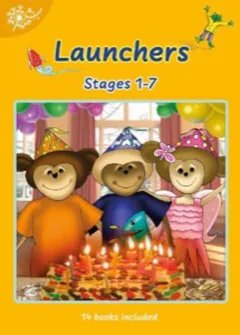 Phonic Books Dandelion Launchers Stages 1-7: Sam, Tam, Tim (Bindup)Ages 4–6 · 4 min · about 280 wordsFull book page
- Estimated read-aloud time
- about 4 minutes
- Words
- 280approximate
- Sentences per spread
- 1
- Re-read tolerance
- 2/5a few readings
- Vocabulary
- 1/5plain words
- Ages
- 4–6
Book features repeated refrain
Why it worksA tiny initial code and recurring CVC names let a beginner experience connected reading without hidden untaught spellings.
Worth knowingThe restricted vocabulary produces a functional, slight story, and the sequence must start at the child’s actual code level.
Full book page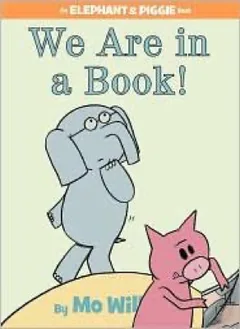 We Are in a Book!Ages 3–6 · 4 min · 256 wordsFull book page
- Estimated read-aloud time
- about 4 minutes
- Words
- 256
- Sentences per spread
- 1
- Re-read tolerance
- 5/5strong repeat appeal
- Vocabulary
- 1/5plain words
- Ages
- 3–6
Book features repeated refrain · join-in questions
Why it worksCharacters recognize the reader and page limit, turning book mechanics into both comedy and an emotional ending problem.
Worth knowingThe ending anxiety may concern children who dislike separation, and memorized audience cues are not the same as independent reading.
Full book page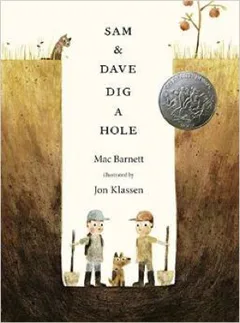 Sam & Dave Dig a HoleAges 3–6 · 4.5 min · 275 wordsFull book page
- Estimated read-aloud time
- about 4.5 minutes
- Words
- 275
- Sentences per spread
- 1
- Re-read tolerance
- 5/5strong repeat appeal
- Vocabulary
- 2/5everyday words
- Ages
- 3–6
Book features repeated refrain · join-in questions
Why it worksThe reader sees missed treasures and altered final details that the protagonists never acknowledge, making close observation the real discovery.
Worth knowingThe digging is unsafe to imitate, and the ambiguous ending offers no single confirmed explanation for where the boys arrive.
Full book page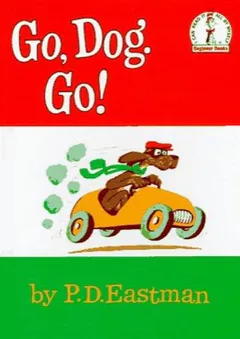 Go, Dog. Go!Ages 2–5 · 6.5 min · 515 wordsFull book page
- Estimated read-aloud time
- about 6.5 minutes
- Words
- 515
- Sentences per spread
- 1
- Re-read tolerance
- 4/5good repeat appeal
- Vocabulary
- 1/5plain words
- Ages
- 2–5
Book features repeated refrain · join-in questions
Why it worksOpposites and position words appear as visible dog arrangements before the loose episodes converge at the dog party in a tree. The recurring hat exchange supplies a small comic thread inside the concept practice.
Worth knowingThis is a sequence of language-and-picture situations rather than a sustained plot. Are You My Mother? uses equally controlled vocabulary around one continuous search, making it the stronger narrative choice.
Full book page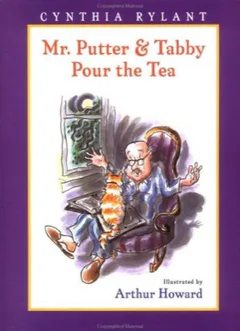 Mr. Putter & Tabby Pour the TeaAges 5–8 · 6.5 min · 576 wordsFull book page
- Estimated read-aloud time
- about 6.5 minutes
- Words
- 576
- Sentences per spread
- 2
- Re-read tolerance
- 5/5strong repeat appeal
- Vocabulary
- 3/5a few new words
- Ages
- 5–8
Why it worksThe match between Mr. Putter and an old cat gives the companionship a specific emotional logic.
Worth knowingThe saved description is intentionally spare; claims about individual episodes or physical details need stronger evidence.
Full book page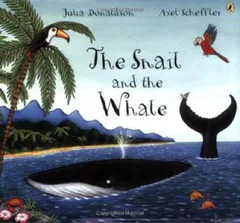 The Snail and the WhaleAges 4–6 · 8 min · 696 wordsFull book page
- Estimated read-aloud time
- about 8 minutes
- Words
- 696
- Sentences per spread
- 3
- Re-read tolerance
- 4/5good repeat appeal
- Vocabulary
- 4/5stretching
- Ages
- 4–6
Book features rhymes · repeated refrain
Why it worksThe snail chooses travel, sees contrasting landscapes from the whale's tail, then responds when the whale is stranded by writing a message for people at a school. The rescue reverses the apparent size imbalance: the smallest character supplies the actionable plan.
Worth knowingThe journey covers multiple settings before the beaching and rescue, so it is less refrain-driven than The Gruffalo. Stick Man also travels far from home, but his movement is forced and episodic rather than a chosen expedition.
Full book page
See all 19 books
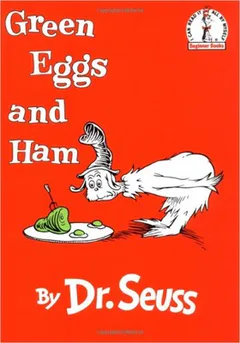 Green Eggs and HamAges 3–6 · 8.5 min · 769 wordsFull book page
- Estimated read-aloud time
- about 8.5 minutes
- Words
- 769
- Sentences per spread
- 2
- Re-read tolerance
- 5/5strong repeat appeal
- Vocabulary
- 1/5plain words
- Ages
- 3–6
Book features rhymes · repeated refrain · join-in questions
Why it worksSam-I-am varies place, company and transport while preserving the central refusal, turning a fifty-word vocabulary into an accumulating verbal structure. The eventual taste changes the answer and requires the long list to be reconsidered.
Worth knowingAt over 60 pages, this is a long read for its level. The constant repetition can be quite tiring for the adult reading it.
Full book page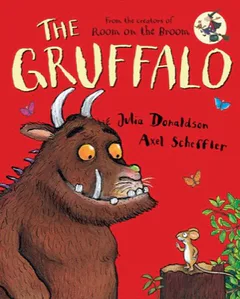 The GruffaloAges 3–6 · 8.5 min · 687 wordsFull book page
- Estimated read-aloud time
- about 8.5 minutes
- Words
- 687
- Sentences per spread
- 3
- Re-read tolerance
- 5/5strong repeat appeal
- Vocabulary
- 3/5a few new words
- Ages
- 3–6
Book features rhymes · repeated refrain · join-in questions
Why it worksThe mouse invents a monster to deter a fox, owl and snake, then meets that monster and reuses the same encounters as proof of his own supposed power. The repeated predator sequence first builds the lie, then lets the mouse reverse the danger through quick thinking.
Worth knowingThe story includes several animals intending to eat the mouse and a monster described through tusks, claws, jaws and a poisonous wart. Compared with Room on the Broom's cooperative group rescue, this is a solitary trickster story built around threat and deception.
Full book page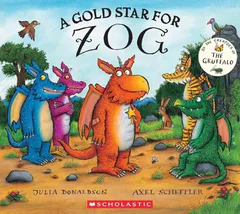 ZogAges 3–6 · 9.5 min · 812 wordsFull book page
- Estimated read-aloud time
- about 9.5 minutes
- Words
- 812
- Sentences per spread
- 3
- Re-read tolerance
- 4/5good repeat appeal
- Vocabulary
- 3/5a few new words
- Ages
- 3–6
Book features rhymes · repeated refrain · join-in questions
Why it worksMadam Dragon's curriculum moves through flying, roaring, fire-breathing and princess capture, with Zog's accidents and the girl's first aid recurring between tests. The final encounter changes the assignment: the princess wants to be a doctor, and Zog becomes transport for a flying medical team.
Worth knowingThe US edition is titled A Gold Star for Zog, while UK listings use Zog. Compared with Rocking in My School Shoes, this is a multi-year fantasy curriculum and career reversal rather than a tour of one ordinary school day.
Full book page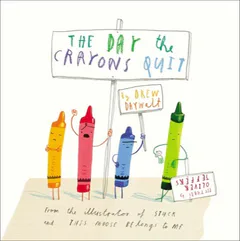 The Day the Crayons QuitAges 4–8 · 11 min · 999 wordsFull book page
- Estimated read-aloud time
- about 11 minutes
- Words
- 999
- Sentences per spread
- 4
- Re-read tolerance
- 5/5strong repeat appeal
- Vocabulary
- 3/5a few new words
- Ages
- 4–8
Why it worksDuncan receives separate letters from crayons objecting to overuse, neglect, outlines and disputed color roles. The document structure makes each complaint a distinct point of view before his final drawing answers them collectively.
Worth knowingThe many letters make this longer than a simple color book, and several jokes rely on understanding conventional coloring rules. It is easy to split across sittings, but the final response works best after enough complaints are known.
Full book page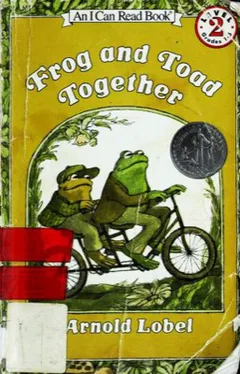 Frog and Toad TogetherAges 5–8 · 19 min · 1,942 wordsFull book page
- Estimated read-aloud time
- about 19 minutes
- Words
- 1,942
- Sentences per spread
- 2
- Re-read tolerance
- 5/5strong repeat appeal
- Vocabulary
- 2/5everyday words
- Ages
- 5–8
Why it worksFive separate situations provide manageable stopping points while the same friendship holds the collection together.
Worth knowingReaders looking for one continuous adventure may find the short-story structure less propulsive.
Full book page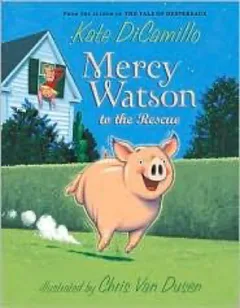 Mercy Watson to the RescueAges 5–8 · 19 min · 1,929 wordsFull book page
- Estimated read-aloud time
- about 19 minutes
- Words
- 1,929
- Sentences per spread
- 2
- Re-read tolerance
- 5/5strong repeat appeal
- Vocabulary
- 3/5a few new words
- Ages
- 5–8
Book features repeated refrain
Why it worksA cozy bedtime action produces a visually clear emergency, connecting affection, physical comedy, and rescue.
Worth knowingThe teetering bed and damaged floor create household peril even though the premise is comic.
Full book page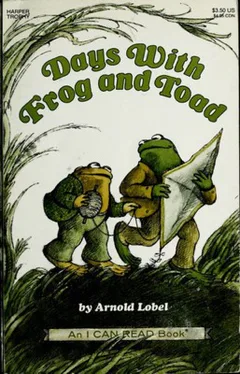 Days with Frog and ToadAges 5–8 · 20 min · 2,075 wordsFull book page
- Estimated read-aloud time
- about 20 minutes
- Words
- 2,075
- Sentences per spread
- 2
- Re-read tolerance
- 5/5strong repeat appeal
- Vocabulary
- 2/5everyday words
- Ages
- 5–8
Why it worksThe varied episodes show friendship through celebration, fear, play, and temporary separation.
Worth knowingOne story includes a scary tale, and another centers Toad’s worry that he has lost his friend.
Full book page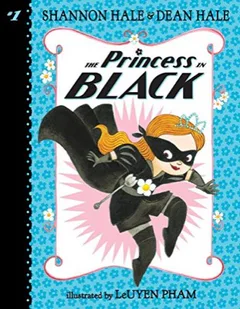 The Princess in BlackAges 5–8 · 20 min · 2,079 wordsFull book page
- Estimated read-aloud time
- about 20 minutes
- Words
- 2,079
- Sentences per spread
- 2
- Re-read tolerance
- 5/5strong repeat appeal
- Vocabulary
- 3/5a few new words
- Ages
- 5–8
Book features repeated refrain
Why it worksThe secret identity joins princess play and superhero action in one capable protagonist.
Worth knowingMonster conflict is central, even though the source description presents it in a playful heroic register.
Full book page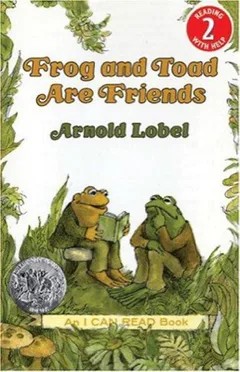 Frog and Toad Are FriendsAges 4–6 · 22 min · 2,281 wordsFull book page
- Estimated read-aloud time
- about 22 minutes
- Words
- 2,281
- Sentences per spread
- 3
- Re-read tolerance
- 4/5good repeat appeal
- Vocabulary
- 2/5everyday words
- Ages
- 4–6
Why it worksFive self-contained stories let a new reader complete a chapter-sized arc, while Frog and Toad's contrasting temperaments carry continuity across waking, searching, waiting and storytelling episodes.
Worth knowingThe quiet pacing is deliberately less joke-dense than Elephant & Piggie, and the whole volume is long for one sitting. Henry and Mudge offers similarly gentle early chapters with a child-and-dog relationship rather than two equal friends.
Full book page