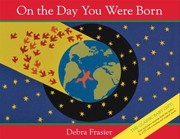
On the Day You Were Born
Earth, moon, tides, animals and people are presented as welcoming a newborn. The expansive celebration works as poetic belonging; its natural images should not be mistaken for a literal account of one birth date.
- First published
- 1991
- Reading stage
- Picture books & shared reading
Reading this with your child
Separate poetry from record
Ask which statements describe continuing natural cycles and which imagine the world addressing one child. This keeps the emotional welcome while distinguishing it from a factual birth history.
Connect one image to evidence
Choose the moon and tides, migrating geese or Earth’s rotation and find a child-level nonfiction source after reading. The picture book can open a science question without having to answer all of it.
Make space for many beginnings
Children may have birth, adoption or family stories that do not match a simple celebration. Invite any trusted person to name how the child was welcomed, and allow private participation.
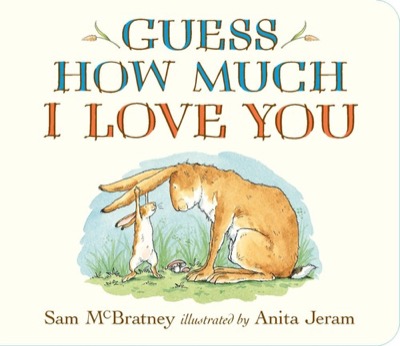
Compare before choosing: Both reassure a child through expansive natural imagery, but Frasier frames the whole world as welcome while the hares build intimacy through a two-person game. View the comparison title →
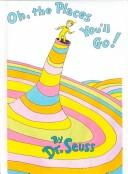 Oh, the Places You'll Go!
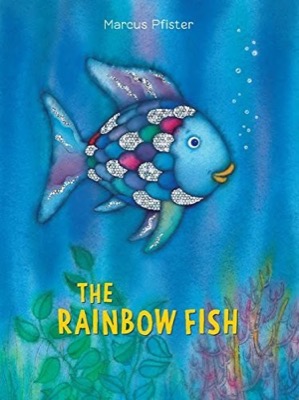 The Rainbow Fish
 Guess How Much I Love You
 The Very Quiet Cricket