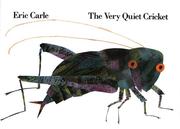
The Very Quiet Cricket
A young cricket repeatedly tries to answer the insects he meets but makes no sound until he encounters another cricket. The final electronic chirp makes patience and development audible.
- First published
- 1990
- Reading stage
- Picture books & shared reading
Reading this with your child
Predict the repeated failure
Before each attempted reply, let the child predict whether the cricket will chirp. The repeated silence creates suspense while the changing insects supply names, sounds and visual clues.
Avoid treating quiet as refusal
The cricket opens his wings each time; his body is not ready yet. That distinction supports a useful conversation about wanting to respond while still learning how.
Save the sound for the turn
Do not test the final page early. The chirp matters because it resolves a pattern of silent attempts, and a nonworking sound chip changes the ending even though the printed story remains readable.
Compare before choosing: Both follow a young animal learning through encounters, but Carle emphasizes physical development while Cannon centers adaptation across species. View the comparison title →
 Oh, the Places You'll Go!
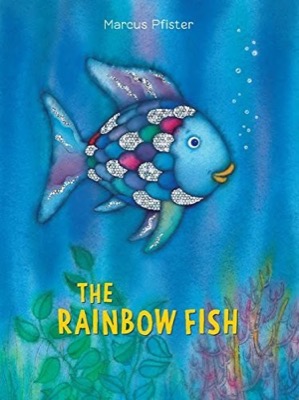 The Rainbow Fish
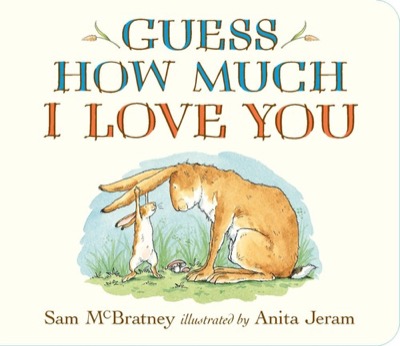 Guess How Much I Love You
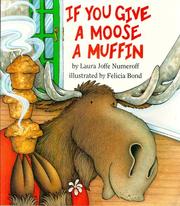 If You Give a Moose a Muffin