Preschool Books About Family
Choose a family story by the relationship or change you want to explore: being cared for, welcoming someone new, being apart or saying goodbye. A broad theme such as love does not tell you which family situation a book depicts. The notes below separate the concrete experiences.



Our top picks
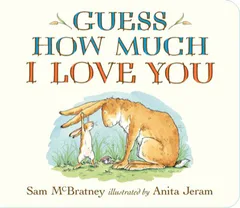 Guess How Much I Love YouAges 2–5 · 5 min · 375 wordsFull book page
- Estimated read-aloud time
- about 5 minutes
- Words
- 375
- Sentences per spread
- 2
- Re-read tolerance
- 3/5holds up
- Vocabulary
- 2/5everyday words
- Ages
- 2–5
Book features repeated refrain · join-in questions
Why it worksLittle Nutbrown Hare tries to measure love through arm span, height, hopping and distance; Big Nutbrown Hare answers in the same units at a larger scale. The repeated comparison turns affection into a physical game a child can imitate.
Worth knowingThe larger hare always wins the contest, which can frustrate a child who hears it as competition. Time for Bed offers mutual caregiving without measurement; this title is better for playful exaggeration and a final bedtime exchange.
Full book page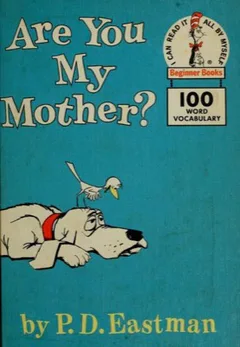 Are You My Mother?Ages 3–5 · 8 min · 699 wordsFull book page
- Estimated read-aloud time
- about 8 minutes
- Words
- 699
- Sentences per spread
- 1
- Re-read tolerance
- 4/5good repeat appeal
- Vocabulary
- 1/5plain words
- Ages
- 3–5
Book features repeated refrain · join-in questions
Why it worksA newly hatched bird leaves the nest and repeats one question to animals, machines and an increasingly alarming excavator before returning to his mother. The fixed question lets a beginning reader participate while the possible answers become less plausible.
Worth knowingThe baby is lost and alone for most of the book, and the Snort machine creates real peril before the reunion. Go, Dog. Go! is more episodic and less emotionally tense, with concept practice rather than a search.
Full book page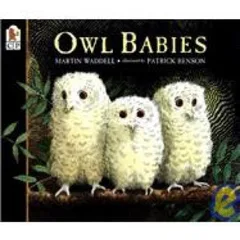 Owl BabiesAges 2–5 · 5 min · 325 wordsFull book page
- Estimated read-aloud time
- about 5 minutes
- Words
- 325
- Sentences per spread
- 1
- Re-read tolerance
- 5/5strong repeat appeal
- Vocabulary
- 2/5everyday words
- Ages
- 2–5
Book features repeated refrain · join-in questions
Why it worksSarah, Percy and Bill respond differently when their mother is absent, and their repeated exchange grows from explanation to huddling to Bill's blunt wish before her return.
Worth knowingThe mother leaves without explanation and the night setting can intensify separation worry. Llama Llama Misses Mama shows a full school day and gradual participation before reunion.
Full book page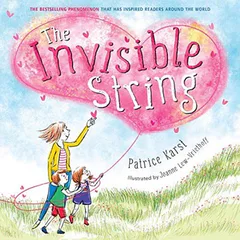 The Invisible StringAges 3–6 · 4.5 min · 329 wordsFull book page
- Estimated read-aloud time
- about 4.5 minutes
- Words
- 329
- Sentences per spread
- 2
- Re-read tolerance
- 4/5good repeat appeal
- Vocabulary
- 2/5everyday words
- Ages
- 3–6
Book features repeated refrain
Why it worksA mother answers her children's storm-time separation fear with an imagined string connecting loved ones across rooms, distance and death, giving abstract attachment one repeatable metaphor.
Worth knowingThe metaphor is spiritual and may not fit every family's beliefs or every grief. The Kissing Hand uses a concrete palm ritual for school separation; this title extends connection much farther.
Full book page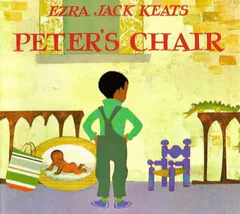 Peter's ChairAges 3–5 · 4.5 min · 299 wordsFull book page
- Estimated read-aloud time
- about 4.5 minutes
- Words
- 299
- Sentences per spread
- 2
- Re-read tolerance
- 3/5holds up
- Vocabulary
- 2/5everyday words
- Ages
- 3–5
Why it worksPeter sees his baby furniture repainted for his sister and saves the still-blue chair, only to discover he has outgrown it. His decision to help repaint it follows a concrete test of size rather than an adult speech about becoming a brother.
Worth knowingWith its quiet, 1960s-era domestic details and slower pacing, this story requires an adult to slow down and take their time with it.
Full book page
Choose the relationship rather than a slogan
Guess How Much I Love You turns affection into an exchange of measures and images. Are You My Mother? organizes a search around recognizing a caregiver. Owl Babies follows siblings waiting together. These books describe different relationships and actions even though each can be placed under a family theme.
Match the depicted relationship with the conversation the child wants, while allowing stories about other kinds of families too. Do not imply that every reader has the same caregivers or that a fictional family arrangement is a model all families must match.
A change in the family needs a specific story
Peter’s Chair and The New Small Person address a baby’s arrival through different kinds of disruption. Evelyn Del Rey Is Moving Away concerns a close relationship affected by a move. The Tenth Good Thing About Barney concerns the death of a pet. These are not interchangeable ways to say ‘family matters’; their events are the reason to choose them.
For a new sibling, use the dedicated sibling guide to compare anticipation and life after arrival. For loss, read the individual book notes before buying so the depicted event and language fit the conversation you intend.
Make room for different endings
A reunion, an ongoing connection after moving and remembering someone who has died are different resolutions. Do not use one story’s return or happy ending as a promise about a real situation. Ask what changes and what remains in that particular story, then give accurate answers about the child’s own circumstances.
Compare every cover and read-aloud time
Open any book for its details, review and things worth knowing, right here. Read-aloud times are estimates for an unhurried pace, including time for page-turning and looking at pictures. How Owl and Page estimates read-aloud time.
- Peter's ChairAges 3–5 · 4.5 min · 299 wordsFull book page
- Estimated read-aloud time
- about 4.5 minutes
- Words
- 299
- Sentences per spread
- 2
- Re-read tolerance
- 3/5holds up
- Vocabulary
- 2/5everyday words
- Ages
- 3–5
Why it worksPeter sees his baby furniture repainted for his sister and saves the still-blue chair, only to discover he has outgrown it. His decision to help repaint it follows a concrete test of size rather than an adult speech about becoming a brother.
Worth knowingWith its quiet, 1960s-era domestic details and slower pacing, this story requires an adult to slow down and take their time with it.
Full book page- The Invisible StringAges 3–6 · 4.5 min · 329 wordsFull book page
- Estimated read-aloud time
- about 4.5 minutes
- Words
- 329
- Sentences per spread
- 2
- Re-read tolerance
- 4/5good repeat appeal
- Vocabulary
- 2/5everyday words
- Ages
- 3–6
Book features repeated refrain
Why it worksA mother answers her children's storm-time separation fear with an imagined string connecting loved ones across rooms, distance and death, giving abstract attachment one repeatable metaphor.
Worth knowingThe metaphor is spiritual and may not fit every family's beliefs or every grief. The Kissing Hand uses a concrete palm ritual for school separation; this title extends connection much farther.
Full book page- Guess How Much I Love YouAges 2–5 · 5 min · 375 wordsFull book page
- Estimated read-aloud time
- about 5 minutes
- Words
- 375
- Sentences per spread
- 2
- Re-read tolerance
- 3/5holds up
- Vocabulary
- 2/5everyday words
- Ages
- 2–5
Book features repeated refrain · join-in questions
Why it worksLittle Nutbrown Hare tries to measure love through arm span, height, hopping and distance; Big Nutbrown Hare answers in the same units at a larger scale. The repeated comparison turns affection into a physical game a child can imitate.
Worth knowingThe larger hare always wins the contest, which can frustrate a child who hears it as competition. Time for Bed offers mutual caregiving without measurement; this title is better for playful exaggeration and a final bedtime exchange.
Full book page- Owl BabiesAges 2–5 · 5 min · 325 wordsFull book page
- Estimated read-aloud time
- about 5 minutes
- Words
- 325
- Sentences per spread
- 1
- Re-read tolerance
- 5/5strong repeat appeal
- Vocabulary
- 2/5everyday words
- Ages
- 2–5
Book features repeated refrain · join-in questions
Why it worksSarah, Percy and Bill respond differently when their mother is absent, and their repeated exchange grows from explanation to huddling to Bill's blunt wish before her return.
Worth knowingThe mother leaves without explanation and the night setting can intensify separation worry. Llama Llama Misses Mama shows a full school day and gradual participation before reunion.
Full book page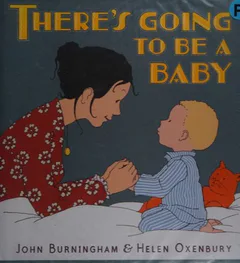 There's Going to Be a BabyAges 3–5 · 6 min · 406 wordsFull book page
- Estimated read-aloud time
- about 6 minutes
- Words
- 406
- Sentences per spread
- 1
- Re-read tolerance
- 3/5holds up
- Vocabulary
- 2/5everyday words
- Ages
- 3–5
Book features repeated refrain · join-in questions
Why it worksA mother and son imagine many possible futures for the expected baby, while the child's comic pictures transform each proposed job and his final question reveals mixed anticipation.
Worth knowingThe pregnancy-centered conversation assumes a mother-child household and leaves birth practicalities mostly off-page. Little Miss, Big Sis gives a shorter milestone sequence for a younger listener.
Full book page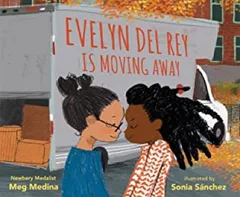 Evelyn Del Rey Is Moving AwayAges 4–6 · 6.5 min · 530 wordsFull book page
- Estimated read-aloud time
- about 6.5 minutes
- Words
- 530
- Sentences per spread
- 2
- Re-read tolerance
- 3/5holds up
- Vocabulary
- 3/5a few new words
- Ages
- 4–6
Book features repeated refrain
Why it worksDaniela and Evelyn spend a last afternoon playing between mirror-image apartments while furniture disappears around them, letting friendship and moving logistics occupy the same scenes.
Worth knowingThe goodbye remains painful despite promises to keep in touch, and the book does not demonstrate how contact works later. The Leaving Morning offers a broader neighborhood farewell.
Full book page- Are You My Mother?Ages 3–5 · 8 min · 699 wordsFull book page
- Estimated read-aloud time
- about 8 minutes
- Words
- 699
- Sentences per spread
- 1
- Re-read tolerance
- 4/5good repeat appeal
- Vocabulary
- 1/5plain words
- Ages
- 3–5
Book features repeated refrain · join-in questions
Why it worksA newly hatched bird leaves the nest and repeats one question to animals, machines and an increasingly alarming excavator before returning to his mother. The fixed question lets a beginning reader participate while the possible answers become less plausible.
Worth knowingThe baby is lost and alone for most of the book, and the Snort machine creates real peril before the reunion. Go, Dog. Go! is more episodic and less emotionally tense, with concept practice rather than a search.
Full book page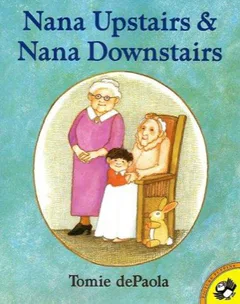 Nana Upstairs and Nana DownstairsAges 4–6 · 8 min · 705 wordsFull book page
- Estimated read-aloud time
- about 8 minutes
- Words
- 705
- Sentences per spread
- 2
- Re-read tolerance
- 3/5holds up
- Vocabulary
- 3/5a few new words
- Ages
- 4–6
Why it worksTommy's weekly relationships with his grandmother and bedridden great-grandmother establish ordinary care before each death, so later rituals and memories refer to people the reader has known.
Worth knowingTwo deaths and older family practices make this emotionally dense. The Tenth Good Thing About Barney offers a shorter pet-loss story with a single memorial task.
Full book page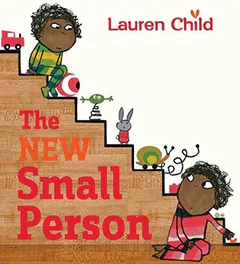 The New Small PersonAges 4–6 · 8.5 min · 752 wordsFull book page
- Estimated read-aloud time
- about 8.5 minutes
- Words
- 752
- Sentences per spread
- 2
- Re-read tolerance
- 4/5good repeat appeal
- Vocabulary
- 3/5a few new words
- Ages
- 4–6
Why it worksElmore's baby brother touches his possessions, shares his room and receives adult attention before a frightening night allows the brothers to become allies; connection follows sustained resentment rather than replacing it immediately.
Worth knowingThe sibling is repeatedly called a 'small person,' and reconciliation arrives through one crisis. Julius, the Baby of the World keeps the older child's hostility more comic and public.
Full book page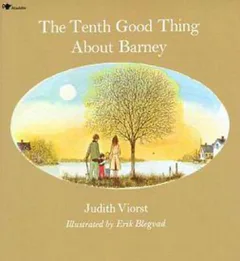 The Tenth Good Thing About BarneyAges 4–6 · 9 min · 812 wordsFull book page
- Estimated read-aloud time
- about 9 minutes
- Words
- 812
- Sentences per spread
- 2
- Re-read tolerance
- 3/5holds up
- Vocabulary
- 3/5a few new words
- Ages
- 4–6
Why it worksA child prepares ten good things to say at his cat's burial but can initially find only nine; conversation with his father connects memory, decomposition and the garden without claiming certainty about heaven.
Worth knowingThe book discusses burial and a parent's agnostic answer directly. Badger's Parting Gifts offers a less biological, community-centered account of what remains.
Full book page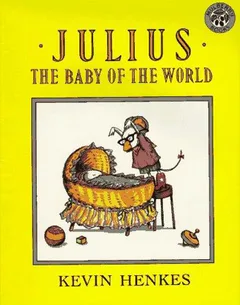 Julius, the Baby of the WorldAges 4–6 · 11.5 min · 1,087 wordsFull book page
- Estimated read-aloud time
- about 11.5 minutes
- Words
- 1,087
- Sentences per spread
- 3
- Re-read tolerance
- 4/5good repeat appeal
- Vocabulary
- 4/5stretching
- Ages
- 4–6
Book features repeated refrain
Why it worksLilly calls Julius insulting names and resists her parents' admiration until a visiting cousin criticizes him; her immediate defense reveals loyalty without pretending the earlier jealousy never existed. The reversal grows from sibling ownership as much as affection.
Worth knowingLilly's cruelty is played for comedy and persists through much of the book. Peter's Chair offers a gentler route from displaced possessions to voluntary accommodation.
Full book page