Books for 2 Year Olds
The useful distinction at this stage is between a book that invites an immediate action and a story whose events need to stay in order. Start with the kind of participation your child enjoys, then use the notes below to choose between flaps, sound sequences, visual jokes and short narrative arcs.


Three ways to take part
From Head to Toe provides movement to imitate; Dear Zoo offers a repeated reveal; Pete the Cat: I Love My White Shoes provides color changes followed by a recurring response. Choose movement when you want to stand up together, a flap when the child wants control over the reveal, or Pete when a second voice can supply part of the pattern. Calling all three ‘engaging’ would miss the practical difference.
Press Here makes page turning itself the response to an instruction. It is useful when you want the action and the following picture to be connected, but its pretend mechanism is different from a physical flap. Do not buy it expecting buttons that light up or actual moving dots.
Add a story without losing the pictures
The Very Hungry Caterpillar supplies a sequence of days, quantities and changes. Little Blue Truck turns a roadside problem into a shared effort. Rosie’s Walk leaves much of the mishap in the pictures while its words follow the hen’s journey. Pick Caterpillar for a sequence to revisit, Truck for an incident with a solution, and Rosie for looking carefully at something the spoken text does not fully explain.
A child who asks to return to one spread does not need to be hurried into the next event. The same book can support naming today and following the whole sequence later. Its estimated reading time is a way to compare text, not a timer for completing the interaction.
Choose the ending for the occasion
Owl Babies has a separation-and-return arc; Knuffle Bunny centers on a lost object and an unsuccessful attempt to communicate; a countdown such as Ten, Nine, Eight has a much quieter task. Read the title-specific caution when choosing for a tired or worried child. A short book can still contain a tense incident, and a bedtime setting can still invite energetic participation.
Compare every cover and read-aloud time
Open any book for its details, review and things worth knowing, right here. Read-aloud times are estimates for an unhurried pace, including time for page-turning and looking at pictures. How Owl and Page estimates read-aloud time.
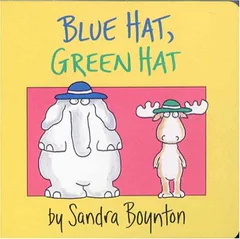 Blue Hat, Green HatAges 0–3 · 2 min · about 45 wordsFull book page
- Estimated read-aloud time
- about 2 minutes
- Words
- 45approximate
- Sentences per spread
- 1
- Re-read tolerance
- 5/5strong repeat appeal
- Vocabulary
- 1/5plain words
- Ages
- 0–3
Book features repeated refrain · join-in questions
Why it worksThree animals model a color-and-clothing combination correctly before the turkey places the item on the wrong body part and triggers “oops.” Each page therefore asks the reader to track two properties and one rule break.
Worth knowingThe turkey is repeatedly positioned as the incompetent joke. Keep correction playful and avoid turning the recurring “oops” role into a label for a child who is learning the same vocabulary.
Full book page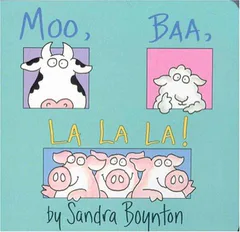 Moo, Baa, La La La!Ages 0–3 · 2 min · about 55 wordsFull book page
- Estimated read-aloud time
- about 2 minutes
- Words
- 55approximate
- Sentences per spread
- 2
- Re-read tolerance
- 5/5strong repeat appeal
- Vocabulary
- 1/5plain words
- Ages
- 0–3
Book features rhymes · join-in questions
Why it worksFamiliar cow and sheep sounds establish the rule before three singing pigs break it, after which the book invites a broader sequence of animal noises. The wrong sound is the joke and the participation cue.
Worth knowingThis supports sound imitation and turn-taking, not factual coverage of farm animals. Its very short pattern offers little narrative for a reader seeking events or character development.
Full book page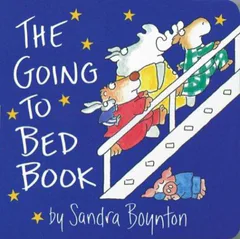 The Going-to-Bed BookAges 0–4 · 2 min · about 110 wordsFull book page
- Estimated read-aloud time
- about 2 minutes
- Words
- 110approximate
- Sentences per spread
- 1
- Re-read tolerance
- 5/5strong repeat appeal
- Vocabulary
- 1/5plain words
- Ages
- 0–4
Book features rhymes
Why it worksThe animal passengers bathe, dress, brush, exercise and finally climb into bunks while their boat rocks beneath the moon. The absurd exercise stop interrupts a recognizable routine without preventing the ending from settling.
Worth knowingThe order is intentionally silly—exercise follows toothbrushing and pajamas—so it should not be used as a literal bedtime checklist. Goodnight Moon offers a quieter fixed-room ritual; this book adds movement and group comedy.
Full book page PottyAges 2–3 · 2.5 min · about 100 wordsFull book page
- Estimated read-aloud time
- about 2.5 minutes
- Words
- 100approximate
- Sentences per spread
- 1
- Re-read tolerance
- 4/5good repeat appeal
- Vocabulary
- 1/5plain words
- Ages
- 2–3
Book features repeated refrain · join-in questions
Why it worksBaby notices the bodily signal, considers a diaper and the potty, waits, has a false start and finally succeeds. Very short labels keep attention on the physical sequence and Baby's own decision.
Worth knowingThe minimal text does not teach wiping, flushing or handwashing. Time to Pee! supplies a fuller procedural checklist; Potty is better for naming readiness, waiting and the first success.
Full book page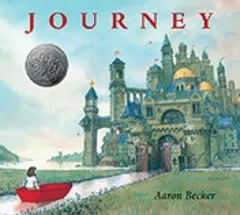 Rosie's WalkAges 2–5 · 2.5 min · 32 wordsFull book page
- Estimated read-aloud time
- about 2.5 minutes
- Words
- 32
- Sentences per spread
- 1
- Re-read tolerance
- 5/5strong repeat appeal
- Vocabulary
- 1/5plain words
- Ages
- 2–5
Book features join-in questions
Why it worksRosie calmly crosses the farm while an unseen fox suffers one accident after another behind her. Minimal text names the route; the pictures supply pursuit, cause and comic timing.
Worth knowingA listener who cannot see the pictures closely receives almost none of the plot. The fox’s repeated injuries are slapstick, and the book does not ask Rosie to recognize the danger.
Full book page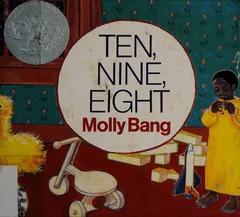 Ten, Nine, EightAges 0–4 · 2.5 min · 69 wordsFull book page
- Estimated read-aloud time
- about 2.5 minutes
- Words
- 69
- Sentences per spread
- 1
- Re-read tolerance
- 4/5good repeat appeal
- Vocabulary
- 1/5plain words
- Ages
- 0–4
Book features rhymes · repeated refrain · join-in questions
Why it worksA father and daughter count backward through toes, buttons, shoes, windows and bedroom objects until one child is tucked in. The decreasing numbers give the routine a visible endpoint and invite searching on every spread.
Worth knowingSome counted objects are decorative rather than steps in a bedtime routine. Goodnight Moon uses repeated farewells for the same slowing purpose; Ten, Nine, Eight gives the listener a numerical path to completion.
Full book page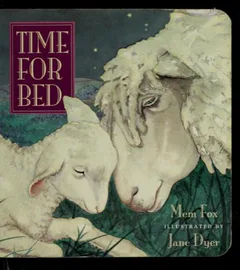 Time for BedAges 0–4 · 2.5 min · about 130 wordsFull book page
- Estimated read-aloud time
- about 2.5 minutes
- Words
- 130approximate
- Sentences per spread
- 1
- Re-read tolerance
- 4/5good repeat appeal
- Vocabulary
- 2/5everyday words
- Ages
- 0–4
Book features rhymes · repeated refrain
Why it worksEach spread pairs an animal parent with a young one in a slow rhyming invitation to settle, then hands the pattern to a human parent and child. The repeating structure makes the final bedtime direction expected rather than abrupt.
Worth knowingThe animal sequence supplies mood more than plot, and the same goodnight pattern may feel long to a child seeking events. Goodnight Moon is even more room-bound; this title offers changing outdoor animals and a clearer parent-child refrain.
Full book page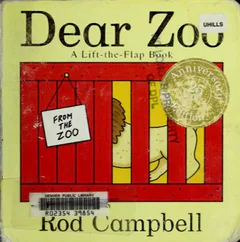 Dear ZooAges 0–4 · 3.5 min · about 110 wordsFull book page
- Estimated read-aloud time
- about 3.5 minutes
- Words
- 110approximate
- Sentences per spread
- 1
- Re-read tolerance
- 5/5strong repeat appeal
- Vocabulary
- 2/5everyday words
- Ages
- 0–4
Book features repeated refrain · join-in questions
Why it worksEach crate flap conceals an animal rejected for one specific trait, so lifting reveals both the noun and the adjective that sends it back. The repeated request-return pattern makes the final acceptable pet easy to anticipate.
Worth knowingThe flaps can tear easily. If your child is under two, you'll want to stick to the board book version.
Full book page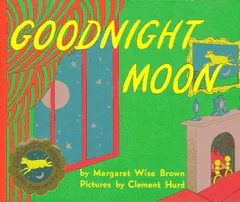 Goodnight MoonAges 0–4 · 3.5 min · 131 wordsFull book page
- Estimated read-aloud time
- about 3.5 minutes
- Words
- 131
- Sentences per spread
- 1
- Re-read tolerance
- 5/5strong repeat appeal
- Vocabulary
- 1/5plain words
- Ages
- 0–4
Book features rhymes · repeated refrain · join-in questions
Why it worksAlternating room views and close-up objects turn a fixed bedroom into a visual inventory, while the light falls and the old lady's whisper gives way to silence. The mouse's changing location provides a small search task inside the repeated goodnights.
Worth knowingThere is no conventional conflict or event sequence, and some named objects are deliberately odd. Time for Bed moves through animal parent-and-child pairs; Goodnight Moon stays in one room and reduces stimulation by repetition.
Full book page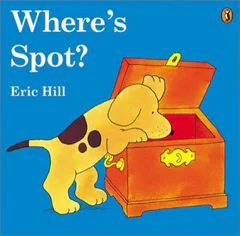 Where's Spot?Ages 0–3 · 3.5 min · about 100 wordsFull book page
- Estimated read-aloud time
- about 3.5 minutes
- Words
- 100approximate
- Sentences per spread
- 1
- Re-read tolerance
- 5/5strong repeat appeal
- Vocabulary
- 1/5plain words
- Ages
- 0–3
Book features repeated refrain · join-in questions
Why it worksSally checks doors, clocks, stairs, cupboards and other hiding places; each flap reveals the wrong animal saying no until a final clue redirects the search. The locations teach spatial language as part of a simple family problem.
Worth knowingThis is quite short and geared toward the under-three crowd. Once a child hits age four, they'll likely have moved past this one quickly.
Full book page
See all 20 books
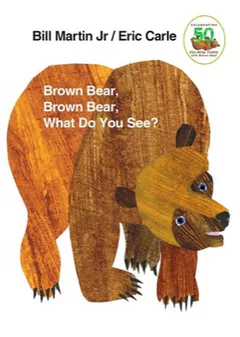 Brown Bear, Brown Bear, What Do You See?Ages 0–4 · 4 min · 196 wordsFull book page
- Estimated read-aloud time
- about 4 minutes
- Words
- 196
- Sentences per spread
- 1
- Re-read tolerance
- 5/5strong repeat appeal
- Vocabulary
- 1/5plain words
- Ages
- 0–4
Book features rhymes · repeated refrain · join-in questions
Why it worksEach animal names the next one in the same question-and-answer frame, so the facing image supplies the answer before the page turns. The final teacher-and-children sequence gathers the entire color-and-animal chain into one recall task.
Worth knowingThe palette includes deliberately fanciful animals, so it is pattern play rather than a realistic color reference. The Very Hungry Caterpillar tracks quantity and change across a week; Brown Bear is better for immediate recitation and visual prediction.
Full book page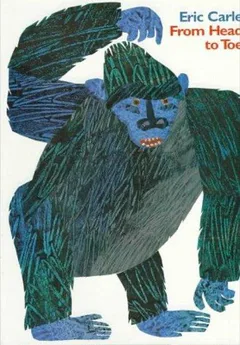 From Head to ToeAges 0–4 · 4 min · 207 wordsFull book page
- Estimated read-aloud time
- about 4 minutes
- Words
- 207
- Sentences per spread
- 2
- Re-read tolerance
- 5/5strong repeat appeal
- Vocabulary
- 1/5plain words
- Ages
- 0–4
Book features repeated refrain · join-in questions
Why it worksA stable question-and-answer pattern coordinates animal observation, body vocabulary, and child-led movement.
Worth knowingSome movements require space or adaptation, and the repeated success phrase should not exclude children with different mobility.
Full book page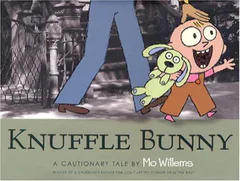 Knuffle Bunny: A Cautionary TaleAges 2–5 · 4 min · 211 wordsFull book page
- Estimated read-aloud time
- about 4 minutes
- Words
- 211
- Sentences per spread
- 2
- Re-read tolerance
- 5/5strong repeat appeal
- Vocabulary
- 2/5everyday words
- Ages
- 2–5
Book features join-in questions
Why it worksA lost comfort object turns the gap between a toddler’s knowledge and an adult’s interpretation into the central problem.
Worth knowingTrixie’s distress is prolonged and Dad becomes frustrated; the recovery is reassuring but not a guide to every communication delay.
Full book page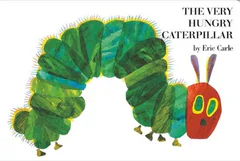 The Very Hungry CaterpillarAges 2–4 · 4 min · 221 wordsFull book page
- Estimated read-aloud time
- about 4 minutes
- Words
- 221
- Sentences per spread
- 1
- Re-read tolerance
- 5/5strong repeat appeal
- Vocabulary
- 2/5everyday words
- Ages
- 2–4
Book features repeated refrain · join-in questions
Why it worksFive weekday spreads add one fruit at a time and one new hole to count; Saturday breaks that measured pattern with ten named foods before Sunday returns to one leaf. The holes, page sizes, days and quantities all carry information rather than serving as decoration.
Worth knowingThe food sequence is a stylized route to metamorphosis, not a factual account of caterpillar feeding or a complete life-cycle explanation. Brown Bear, Brown Bear, What Do You See? is the closer choice when the main task is repeating a fixed spoken pattern rather than tracking change across a week.
Full book page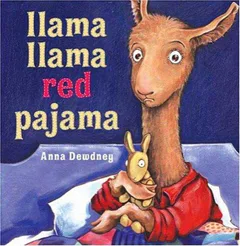 Llama Llama Red PajamaAges 2–4 · 4.5 min · 233 wordsFull book page
- Estimated read-aloud time
- about 4.5 minutes
- Words
- 233
- Sentences per spread
- 2
- Re-read tolerance
- 5/5strong repeat appeal
- Vocabulary
- 2/5everyday words
- Ages
- 2–4
Book features rhymes · repeated refrain · join-in questions
Why it worksBaby Llama's worry rises through a chain of unanswered calls while Mama is occupied downstairs, and the rhyme tightens around that escalation. Mama's return does more than end the crying: she names the continuing connection between them and also sets a limit on the shouting.
Worth knowingThe middle pages dwell on separation panic rather than providing an immediately soothing bedtime script. Goodnight Moon is the quieter alternative for a routine already winding down; this title is more useful when the worry itself needs to be named.
Full book page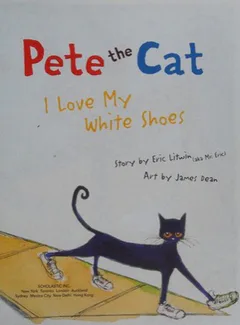 Pete the Cat: I Love My White ShoesAges 2–5 · 4.5 min · 275 wordsFull book page
- Estimated read-aloud time
- about 4.5 minutes
- Words
- 275
- Sentences per spread
- 2
- Re-read tolerance
- 5/5strong repeat appeal
- Vocabulary
- 2/5everyday words
- Ages
- 2–5
Book features repeated refrain · join-in questions
Why it worksPete steps into strawberries, blueberries, mud and water, so each color change has a visible cause before the refrain returns. The publisher also frames the book as a song and asks direct color questions, making it more participatory than a simple story about staying calm.
Worth knowingThe repeated song carries much of the book's structure. Readers who want a plot with rising stakes may find less to discuss than in Rocking in My School Shoes, which moves through several school locations.
Full book page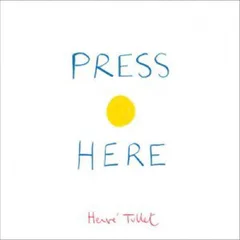 Press HereAges 2–5 · 4.5 min · about 252 wordsFull book page
- Estimated read-aloud time
- about 4.5 minutes
- Words
- 252approximate
- Sentences per spread
- 1
- Re-read tolerance
- 5/5strong repeat appeal
- Vocabulary
- 2/5everyday words
- Ages
- 2–5
Book features repeated refrain · join-in questions
Why it worksPrinted dots appear to respond after the reader presses, shakes, tilts and claps, so the page turn becomes the mechanism connecting instruction and result. The child must remember the requested action and inspect what changed.
Full book page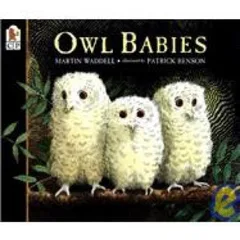 Owl BabiesAges 2–5 · 5 min · 325 wordsFull book page
- Estimated read-aloud time
- about 5 minutes
- Words
- 325
- Sentences per spread
- 1
- Re-read tolerance
- 5/5strong repeat appeal
- Vocabulary
- 2/5everyday words
- Ages
- 2–5
Book features repeated refrain · join-in questions
Why it worksSarah, Percy and Bill respond differently when their mother is absent, and their repeated exchange grows from explanation to huddling to Bill's blunt wish before her return.
Worth knowingThe mother leaves without explanation and the night setting can intensify separation worry. Llama Llama Misses Mama shows a full school day and gradual participation before reunion.
Full book page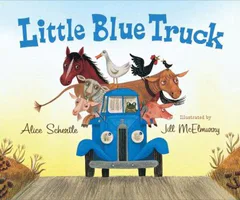 Little Blue TruckAges 2–4 · 5.5 min · 361 wordsFull book page
- Estimated read-aloud time
- about 5.5 minutes
- Words
- 361
- Sentences per spread
- 2
- Re-read tolerance
- 5/5strong repeat appeal
- Vocabulary
- 2/5everyday words
- Ages
- 2–4
Book features rhymes · repeated refrain · join-in questions
Why it worksBlue's greetings establish both the farm animals' sounds and the relationships that matter later. When the self-important dump truck gets stuck, Blue helps first and the animals then answer Blue's call, so the rescue follows directly from the earlier pattern of attention and courtesy.
Worth knowingThe dump truck's lesson is explicit, and the closing moral leaves little ambiguity for a reader to work out. Brown Bear, Brown Bear, What Do You See? offers a purer animal-naming refrain; Little Blue Truck adds a conflict, group rescue and vehicle sound play.
Full book page We're Going on a Bear HuntAges 2–5 · 6 min · 410 wordsFull book page
- Estimated read-aloud time
- about 6 minutes
- Words
- 410
- Sentences per spread
- 2
- Re-read tolerance
- 5/5strong repeat appeal
- Vocabulary
- 2/5everyday words
- Ages
- 2–5
Book features repeated refrain · join-in questions
Why it worksThe family crosses grass, river, mud, forest and snowstorm through repeated obstacle language and distinct sound phrases, then reverses the entire route at speed after finding the bear. Movement and memory are built into the same structure.
Worth knowingThe encounter and chase can frighten sensitive listeners, and the energetic return is poorly suited to a final calming read. The Gruffalo uses repeated landscape encounters with verbal problem solving rather than physical escape.
Full book page