Board Books
Board describes the pages, not the reading level. Use this shelf to choose between visual looking, recurring sounds, tactile activity and a continuing story, then verify the actual edition. The construction and the narrative are two separate parts of the choice.


Choose the reading job
Black on White offers contrasting images; First 100 Words offers labeled objects; Moo, Baa, La La La! organizes sounds; Ten, Nine, Eight gives a countdown a destination. Those are different jobs for a shared book. A collection of labels does not supply the same narrative as a story, and a low word count does not tell you which kind of interaction is present.
The Very Hungry Caterpillar and Papa, Please Get the Moon for Me connect events across pages. A sturdy edition can support repeated handling while still containing a sequence to follow. Choose by the actual story and the reader’s interest, then decide whether the physical format suits how it will be used.
Compare editions rather than covers
A title can appear as a board book, a conventional hardcover, a smaller gift edition or a novelty version. Check the format, dimensions and contents of the exact listing. A rigid cover does not prove the interior pages are board, and a resized edition may change how clearly a picture can be shared with a group.
If the attraction is a flap, texture or unusual foldout, verify that the particular edition includes it. Inspect attached parts in a used copy. The separate format guide explains construction; this shelf helps choose the story or activity once that distinction is clear.
Choose a more specific shelf when the task is clear
The baby guide covers first shared sessions; the toddler guide compares handling and interaction; the preschool guide looks at visual and language detail in sturdy editions. Use those guides when one of those tasks is the reason for buying. This general shelf is for comparing the types of book before committing to a narrower choice.
Compare every cover and read-aloud time
Open any book for its details, review and things worth knowing, right here. Read-aloud times are estimates for an unhurried pace, including time for page-turning and looking at pictures. How Owl and Page estimates read-aloud time.
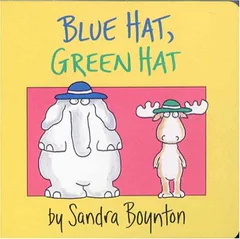 Blue Hat, Green HatAges 0–3 · 2 min · about 45 wordsFull book page
- Estimated read-aloud time
- about 2 minutes
- Words
- 45approximate
- Sentences per spread
- 1
- Re-read tolerance
- 5/5strong repeat appeal
- Vocabulary
- 1/5plain words
- Ages
- 0–3
Book features repeated refrain · join-in questions
Why it worksThree animals model a color-and-clothing combination correctly before the turkey places the item on the wrong body part and triggers “oops.” Each page therefore asks the reader to track two properties and one rule break.
Worth knowingThe turkey is repeatedly positioned as the incompetent joke. Keep correction playful and avoid turning the recurring “oops” role into a label for a child who is learning the same vocabulary.
Full book page Global BabiesAges 0–2 · 2 min · about 40 wordsFull book page
- Estimated read-aloud time
- about 2 minutes
- Words
- 40approximate
- Sentences per spread
- 1
- Re-read tolerance
- 4/5good repeat appeal
- Vocabulary
- 2/5everyday words
- Ages
- 0–2
Book features join-in questions
Why it worksSeventeen real baby portraits invite sustained face looking and respectful conversation about both shared expressions and visible difference.
Worth knowingEach country appears only briefly, so the book introduces diversity without offering cultural depth or individual biographies.
Full book page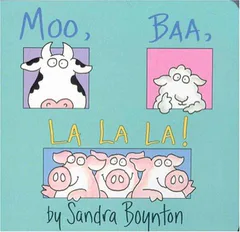 Moo, Baa, La La La!Ages 0–3 · 2 min · about 55 wordsFull book page
- Estimated read-aloud time
- about 2 minutes
- Words
- 55approximate
- Sentences per spread
- 2
- Re-read tolerance
- 5/5strong repeat appeal
- Vocabulary
- 1/5plain words
- Ages
- 0–3
Book features rhymes · join-in questions
Why it worksFamiliar cow and sheep sounds establish the rule before three singing pigs break it, after which the book invites a broader sequence of animal noises. The wrong sound is the joke and the participation cue.
Worth knowingThis supports sound imitation and turn-taking, not factual coverage of farm animals. Its very short pattern offers little narrative for a reader seeking events or character development.
Full book page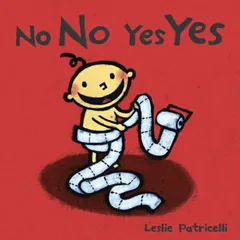 No No Yes YesAges 0–3 · 2 min · about 40 wordsFull book page
- Estimated read-aloud time
- about 2 minutes
- Words
- 40approximate
- Sentences per spread
- 1
- Re-read tolerance
- 5/5strong repeat appeal
- Vocabulary
- 1/5plain words
- Ages
- 0–3
Book features repeated refrain · join-in questions
Why it worksPaired pictures make cause and alternative visible, creating a concrete prompt for talking about everyday choices.
Worth knowingThe no/yes split simplifies situations that may need context and works poorly if read as a list of commands.
Full book page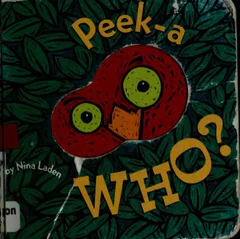 Peek-a Who?Ages 0–3 · 2 min · about 30 wordsFull book page
- Estimated read-aloud time
- about 2 minutes
- Words
- 30approximate
- Sentences per spread
- 1
- Re-read tolerance
- 5/5strong repeat appeal
- Vocabulary
- 1/5plain words
- Ages
- 0–3
Book features rhymes · repeated refrain · join-in questions
Why it worksDie-cut clues, a repeated verbal stem, and immediate page-turn answers create a concise prediction game with a mirror finish.
Worth knowingThe short sequence is quickly memorized and offers little narrative once the guessing game loses novelty.
Full book page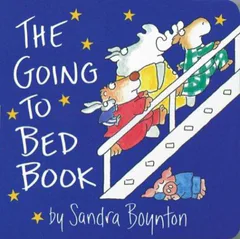 The Going-to-Bed BookAges 0–4 · 2 min · about 110 wordsFull book page
- Estimated read-aloud time
- about 2 minutes
- Words
- 110approximate
- Sentences per spread
- 1
- Re-read tolerance
- 5/5strong repeat appeal
- Vocabulary
- 1/5plain words
- Ages
- 0–4
Book features rhymes
Why it worksThe animal passengers bathe, dress, brush, exercise and finally climb into bunks while their boat rocks beneath the moon. The absurd exercise stop interrupts a recognizable routine without preventing the ending from settling.
Worth knowingThe order is intentionally silly—exercise follows toothbrushing and pajamas—so it should not be used as a literal bedtime checklist. Goodnight Moon offers a quieter fixed-room ritual; this book adds movement and group comedy.
Full book page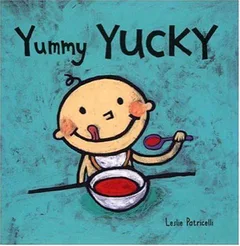 Yummy YuckyAges 0–3 · 2 min · about 40 wordsFull book page
- Estimated read-aloud time
- about 2 minutes
- Words
- 40approximate
- Sentences per spread
- 1
- Re-read tolerance
- 5/5strong repeat appeal
- Vocabulary
- 1/5plain words
- Ages
- 0–3
Book features repeated refrain · join-in questions
Why it worksComic visual pairs turn two opposite words into a practical sorting game about food and nonfood items.
Worth knowingThe binary label can encourage blanket judgments about disliked foods, so adults may want to separate preference from safety.
Full book page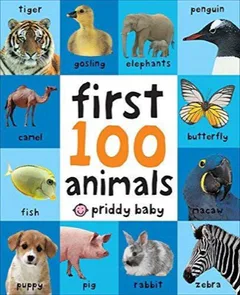 First 100 AnimalsAges 0–3 · 2.5 min · about 100 wordsFull book page
- Estimated read-aloud time
- about 2.5 minutes
- Words
- 100approximate
- Sentences per spread
- 0
- Re-read tolerance
- 4/5good repeat appeal
- Vocabulary
- 2/5everyday words
- Ages
- 0–3
Book features join-in questions
Why it worksA large, photographic animal set supports naming and comparison without requiring a child to follow a narrative sequence.
Worth knowingThe photo grids are visually busy and work better in small selections than as a cover-to-cover read-aloud.
Full book page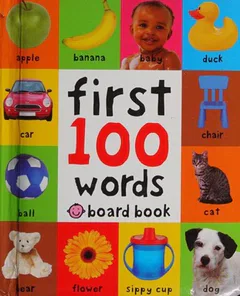 First 100 WordsAges 0–3 · 2.5 min · about 100 wordsFull book page
- Estimated read-aloud time
- about 2.5 minutes
- Words
- 100approximate
- Sentences per spread
- 0
- Re-read tolerance
- 4/5good repeat appeal
- Vocabulary
- 1/5plain words
- Ages
- 0–3
Book features join-in questions
Why it worksGrouped photographs make the book flexible for pointing, naming, matching, and child-led vocabulary practice.
Worth knowingIt has no narrative, and attempting every label in one sitting can turn a useful browsing book into a long drill.
Full book page PottyAges 2–3 · 2.5 min · about 100 wordsFull book page
- Estimated read-aloud time
- about 2.5 minutes
- Words
- 100approximate
- Sentences per spread
- 1
- Re-read tolerance
- 4/5good repeat appeal
- Vocabulary
- 1/5plain words
- Ages
- 2–3
Book features repeated refrain · join-in questions
Why it worksBaby notices the bodily signal, considers a diaper and the potty, waits, has a false start and finally succeeds. Very short labels keep attention on the physical sequence and Baby's own decision.
Worth knowingThe minimal text does not teach wiping, flushing or handwashing. Time to Pee! supplies a fuller procedural checklist; Potty is better for naming readiness, waiting and the first success.
Full book page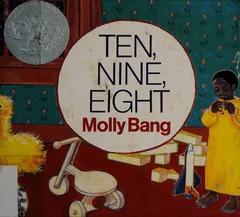 Ten, Nine, EightAges 0–4 · 2.5 min · 69 wordsFull book page
- Estimated read-aloud time
- about 2.5 minutes
- Words
- 69
- Sentences per spread
- 1
- Re-read tolerance
- 4/5good repeat appeal
- Vocabulary
- 1/5plain words
- Ages
- 0–4
Book features rhymes · repeated refrain · join-in questions
Why it worksA father and daughter count backward through toes, buttons, shoes, windows and bedroom objects until one child is tucked in. The decreasing numbers give the routine a visible endpoint and invite searching on every spread.
Worth knowingSome counted objects are decorative rather than steps in a bedtime routine. Goodnight Moon uses repeated farewells for the same slowing purpose; Ten, Nine, Eight gives the listener a numerical path to completion.
Full book page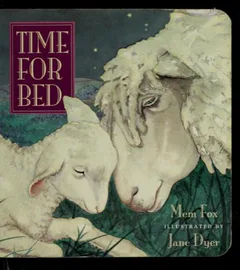 Time for BedAges 0–4 · 2.5 min · about 130 wordsFull book page
- Estimated read-aloud time
- about 2.5 minutes
- Words
- 130approximate
- Sentences per spread
- 1
- Re-read tolerance
- 4/5good repeat appeal
- Vocabulary
- 2/5everyday words
- Ages
- 0–4
Book features rhymes · repeated refrain
Why it worksEach spread pairs an animal parent with a young one in a slow rhyming invitation to settle, then hands the pattern to a human parent and child. The repeating structure makes the final bedtime direction expected rather than abrupt.
Worth knowingThe animal sequence supplies mood more than plot, and the same goodnight pattern may feel long to a child seeking events. Goodnight Moon is even more room-bound; this title offers changing outdoor animals and a clearer parent-child refrain.
Full book page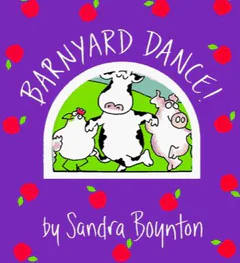 Barnyard Dance!Ages 0–3 · 3 min · about 120 wordsFull book page
- Estimated read-aloud time
- about 3 minutes
- Words
- 120approximate
- Sentences per spread
- 2
- Re-read tolerance
- 5/5strong repeat appeal
- Vocabulary
- 2/5everyday words
- Ages
- 0–3
Book features rhymes · repeated refrain · join-in questions
Why it worksSquare-dance calls direct farm animals to bow, stomp, clap and turn, making verbs and beat into instructions for the reader’s body. The group pattern matters more than an individual plot.
Worth knowingThe action can be adapted for seated movement, but the page does not provide mobility alternatives. Clear space before performing turns, and choose a quieter title near sleep if movement is activating.
Full book page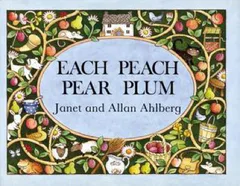 Each Peach Pear PlumAges 0–4 · 3 min · about 130 wordsFull book page
- Estimated read-aloud time
- about 3 minutes
- Words
- 130approximate
- Sentences per spread
- 1
- Re-read tolerance
- 5/5strong repeat appeal
- Vocabulary
- 2/5everyday words
- Ages
- 0–4
Book features rhymes · repeated refrain · join-in questions
Why it worksRhyming clues and linked hidden characters make each spread both a search puzzle and part of a larger nursery-tale world.
Worth knowingMany clues assume familiarity with traditional characters, and the detailed searches can be too demanding for very young listeners.
Full book page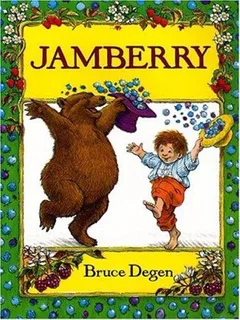 JamberryAges 0–4 · 3 min · about 130 wordsFull book page
- Estimated read-aloud time
- about 3 minutes
- Words
- 130approximate
- Sentences per spread
- 2
- Re-read tolerance
- 5/5strong repeat appeal
- Vocabulary
- 2/5everyday words
- Ages
- 0–4
Book features rhymes · repeated refrain · join-in questions
Why it worksThe berry adventure fuses quick rhyme, invented compounds, and escalating visual fantasy into a strong read-aloud performance.
Worth knowingThe nonsense vocabulary and rapid cadence can be hard to parse for a child who needs concrete, literal language.
Full book page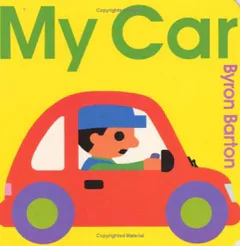 My CarAges 0–4 · 3 min · about 200 wordsFull book page
- Estimated read-aloud time
- about 3 minutes
- Words
- 200approximate
- Sentences per spread
- 1
- Re-read tolerance
- 4/5good repeat appeal
- Vocabulary
- 2/5everyday words
- Ages
- 0–4
Book features repeated refrain
Why it worksA named driver, labeled car functions, and a road journey combine basic mechanical explanation with a small narrative reveal.
Worth knowingIts simplified account is introductory rather than technically complete, and the explanatory pace may feel dry to children seeking action.
Full book page Papa, Please Get the Moon for MeAges 0–4 · 3.5 min · about 230 wordsFull book page
- Estimated read-aloud time
- about 3.5 minutes
- Words
- 230approximate
- Sentences per spread
- 2
- Re-read tolerance
- 4/5good repeat appeal
- Vocabulary
- 3/5a few new words
- Ages
- 0–4
Why it worksMonica’s request sends Papa up a foldout ladder to a moon too large to carry; he waits until it wanes, and the moon later grows again. Expanding pages make size and cyclical change physical.
Worth knowingThe fantasy of taking down the moon introduces phases but does not explain their cause. Moving and foldout parts are edition-dependent and vulnerable in used copies.
Full book page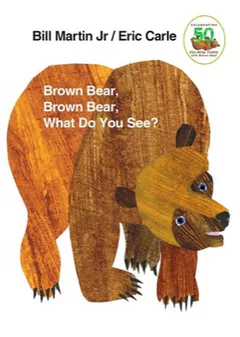 Brown Bear, Brown Bear, What Do You See?Ages 0–4 · 4 min · 196 wordsFull book page
- Estimated read-aloud time
- about 4 minutes
- Words
- 196
- Sentences per spread
- 1
- Re-read tolerance
- 5/5strong repeat appeal
- Vocabulary
- 1/5plain words
- Ages
- 0–4
Book features rhymes · repeated refrain · join-in questions
Why it worksEach animal names the next one in the same question-and-answer frame, so the facing image supplies the answer before the page turns. The final teacher-and-children sequence gathers the entire color-and-animal chain into one recall task.
Worth knowingThe palette includes deliberately fanciful animals, so it is pattern play rather than a realistic color reference. The Very Hungry Caterpillar tracks quantity and change across a week; Brown Bear is better for immediate recitation and visual prediction.
Full book page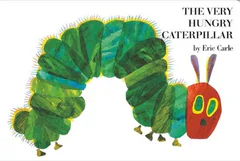 The Very Hungry CaterpillarAges 2–4 · 4 min · 221 wordsFull book page
- Estimated read-aloud time
- about 4 minutes
- Words
- 221
- Sentences per spread
- 1
- Re-read tolerance
- 5/5strong repeat appeal
- Vocabulary
- 2/5everyday words
- Ages
- 2–4
Book features repeated refrain · join-in questions
Why it worksFive weekday spreads add one fruit at a time and one new hole to count; Saturday breaks that measured pattern with ten named foods before Sunday returns to one leaf. The holes, page sizes, days and quantities all carry information rather than serving as decoration.
Worth knowingThe food sequence is a stylized route to metamorphosis, not a factual account of caterpillar feeding or a complete life-cycle explanation. Brown Bear, Brown Bear, What Do You See? is the closer choice when the main task is repeating a fixed spoken pattern rather than tracking change across a week.
Full book page Black on WhiteAges 0–2 · time varies · 0 wordsFull book page
- Estimated read-aloud time
- time varies
- Words
- 0
- Sentences per spread
- 0
- Re-read tolerance
- 3/5holds up
- Vocabulary
- Not applicableWordless
- Ages
- 0–2
Why it worksSingle high-contrast silhouettes remove visual clutter and leave room for naming, tracing, and sustained looking at form.
Worth knowingThere is no narrative or printed vocabulary, and its deliberately limited palette may have a short window of interest.
Full book page