First Reading Books for 5 Year Olds
Choose a first independent book by the words the child can work through, then choose its story and format. This guide separates decodable practice, shared dialogue, short episodes and recurring series. A short page or a familiar character does not establish the same level of reading support.

Match the words before the level label
A decodable book is selected to match spelling patterns already taught. Read Write Inc. Sound Blending Books, Songbirds and Dandelion Launchers belong to different organized ranges, so compare the actual book’s requirements rather than equating its number or color with another range. Check a representative page and the publisher’s sequence, then ask which patterns the child already knows.
A child can remember a repeated sentence or use a picture to recognize an incident without independently reading every word. When the purpose is practice with unfamiliar text, choose material whose words can be worked through using the taught patterns. Keep a separate read-aloud for stories beyond that practice level.
Use shared reading without hiding the help
Elephant & Piggie’s distinct speakers make it convenient to divide roles. Frog and Toad’s short incidents provide another possible stopping point. Decide which lines the adult will read and let the child work on a manageable part. Finishing a shared story can be worthwhile without treating it as evidence that the whole book was read independently.
Mr. Putter & Tabby, Poppleton and Fly Guy offer recurring characters with different story shapes. Read the individual profile for the structure and limitations rather than assuming the series name promises the same text density or difficulty across every title.
Choose the next series through a real page
Inspect an ordinary middle spread, not only the cover and the easiest opening. Look for new vocabulary, changes in speaker, longer sentences and information supplied by the pictures. A comic such as Narwhal and Jelly also requires following a visual sequence. Choose the next book for the support the reader needs and the incident they want to follow, rather than buying an entire series because one page seemed manageable.
Compare every cover and read-aloud time
Open any book for its details, review and things worth knowing, right here. Read-aloud times are estimates for an unhurried pace, including time for page-turning and looking at pictures. How Owl and Page estimates read-aloud time.
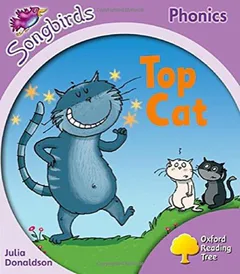 Oxford Reading Tree Songbirds Phonics: Level 1+: Top CatAges 4–6 · 1.5 min · about 55 wordsFull book page
- Estimated read-aloud time
- about 1.5 minutes
- Words
- 55approximate
- Sentences per spread
- 1
- Re-read tolerance
- 4/5good repeat appeal
- Vocabulary
- 1/5plain words
- Ages
- 4–6
Book features repeated refrain
Why it worksA constrained early code is embedded in a compact rhyming plot, so blending practice produces a complete reading event.
Worth knowingIt is not a first phonics lesson and becomes guessable after repetition; confirm the child is decoding rather than reciting.
Full book page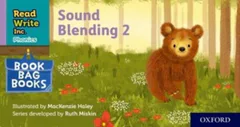 Read Write Inc. Phonics: Sound Blending Book Bag Book 2Ages 4–6 · 2 min · about 40 wordsFull book page
- Estimated read-aloud time
- about 2 minutes
- Words
- 40approximate
- Sentences per spread
- 1
- Re-read tolerance
- 2/5a few readings
- Vocabulary
- 1/5plain words
- Ages
- 4–6
Book features repeated refrain · join-in questions
Why it worksA deliberately sparse one-word format concentrates practice on the difficult transition from separate phonemes to a blended word.
Worth knowingIt assumes correct Read Write Inc. sound pronunciation and offers almost no narrative; mismatched school terminology can confuse a beginner.
Full book page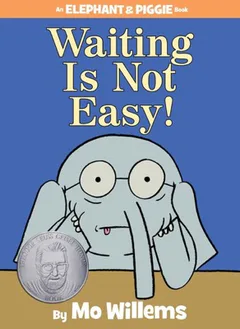 Waiting Is Not Easy!Ages 3–6 · 3 min · 197 wordsFull book page
- Estimated read-aloud time
- about 3 minutes
- Words
- 197
- Sentences per spread
- 1
- Re-read tolerance
- 5/5strong repeat appeal
- Vocabulary
- 1/5plain words
- Ages
- 3–6
Book features repeated refrain
Why it worksPiggie promises a surprise but will not reveal it early, and Gerald's repeated groans expand as daylight gives way to night. The final starry spread changes the pace and visual scale of the book, so the payoff depends on elapsed time rather than the escalating mishap used in There Is a Bird on Your Head!.
Worth knowingThe surprise is intentionally delayed until the closing night-sky scene. Readers wanting continuous action get repetition and anticipation instead.
Full book page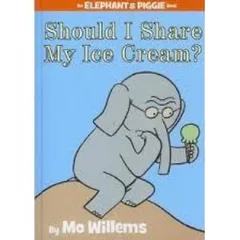 Should I Share My Ice Cream?Ages 3–6 · 3.5 min · 245 wordsFull book page
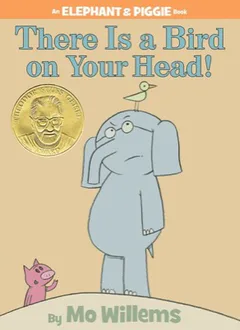 There Is a Bird on Your Head!Ages 3–6 · 3.5 min · 242 wordsFull book page
- Estimated read-aloud time
- about 3.5 minutes
- Words
- 242
- Sentences per spread
- 1
- Re-read tolerance
- 5/5strong repeat appeal
- Vocabulary
- 1/5plain words
- Ages
- 3–6
Book features repeated refrain
Why it worksGerald's problem grows visibly from one bird to two, then a nest and eggs, while Piggie's short replies keep the solution in dialogue. The color-coded speech bubbles also make the two roles easy to separate; Waiting Is Not Easy uses the same pair for an emotional time arc instead of an escalating physical predicament.
Worth knowingThe plot depends on Gerald not directly asking the birds to move until Piggie suggests it. Readers looking for a more independent problem-solving arc may prefer another Elephant & Piggie title.
Full book page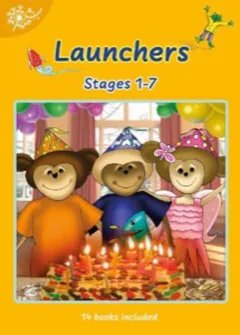 Phonic Books Dandelion Launchers Stages 1-7: Sam, Tam, Tim (Bindup)Ages 4–6 · 4 min · about 280 wordsFull book page
- Estimated read-aloud time
- about 4 minutes
- Words
- 280approximate
- Sentences per spread
- 1
- Re-read tolerance
- 2/5a few readings
- Vocabulary
- 1/5plain words
- Ages
- 4–6
Book features repeated refrain
Why it worksA tiny initial code and recurring CVC names let a beginner experience connected reading without hidden untaught spellings.
Worth knowingThe restricted vocabulary produces a functional, slight story, and the sequence must start at the child’s actual code level.
Full book page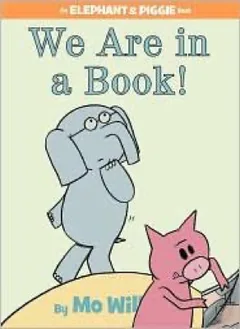 We Are in a Book!Ages 3–6 · 4 min · 256 wordsFull book page
- Estimated read-aloud time
- about 4 minutes
- Words
- 256
- Sentences per spread
- 1
- Re-read tolerance
- 5/5strong repeat appeal
- Vocabulary
- 1/5plain words
- Ages
- 3–6
Book features repeated refrain · join-in questions
Why it worksCharacters recognize the reader and page limit, turning book mechanics into both comedy and an emotional ending problem.
Worth knowingThe ending anxiety may concern children who dislike separation, and memorized audience cues are not the same as independent reading.
Full book page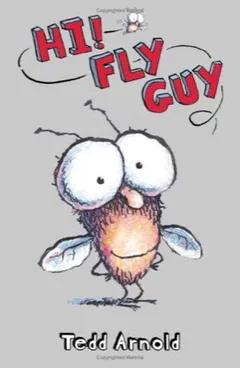 Hi! Fly GuyAges 5–6 · 4.5 min · 324 wordsFull book page
- Estimated read-aloud time
- about 4.5 minutes
- Words
- 324
- Sentences per spread
- 1
- Re-read tolerance
- 4/5good repeat appeal
- Vocabulary
- 1/5plain words
- Ages
- 5–6
Book features repeated refrain · join-in questions
Why it worksFly Guy earns recognition through specific actions after adults and judges reject the idea that a fly can be a pet.
Worth knowingThe story calls flies pests and centers a judged pet contest; children may need help separating the fantasy pet from real insect handling.
Full book page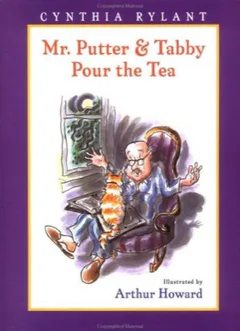 Mr. Putter & Tabby Pour the TeaAges 5–8 · 6.5 min · 576 wordsFull book page
- Estimated read-aloud time
- about 6.5 minutes
- Words
- 576
- Sentences per spread
- 2
- Re-read tolerance
- 5/5strong repeat appeal
- Vocabulary
- 3/5a few new words
- Ages
- 5–8
Why it worksThe match between Mr. Putter and an old cat gives the companionship a specific emotional logic.
Worth knowingThe saved description is intentionally spare; claims about individual episodes or physical details need stronger evidence.
Full book page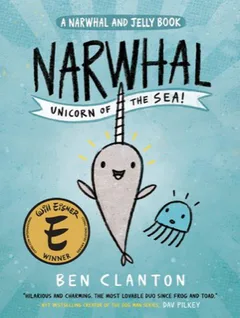 Narwhal: Unicorn of the SeaAges 5–8 · 9 min · 848 wordsFull book page
- Estimated read-aloud time
- about 9 minutes
- Words
- 848
- Sentences per spread
- 2
- Re-read tolerance
- 5/5strong repeat appeal
- Vocabulary
- 2/5everyday words
- Ages
- 5–8
Book features repeated refrain
Why it worksNarwhal and Jelly’s opposing dispositions generate gentle comedy while their shared interests keep the relationship warm.
Worth knowingThe saved description emphasizes character encounters and adventures rather than one sustained plot.
Full book page
See all 13 books
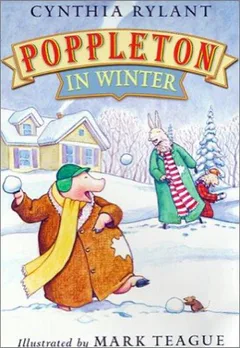 PoppletonAges 5–8 · 9 min · 846 wordsFull book page
- Estimated read-aloud time
- about 9 minutes
- Words
- 846
- Sentences per spread
- 2
- Re-read tolerance
- 5/5strong repeat appeal
- Vocabulary
- 3/5a few new words
- Ages
- 5–8
Why it worksThree distinct situations reveal companionship through meeting, reading, and caregiving.
Worth knowingThe episodic, low-stakes structure may feel quiet to readers expecting continuous action.
Full book page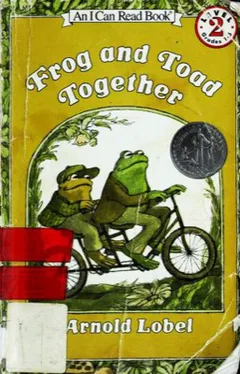 Frog and Toad TogetherAges 5–8 · 19 min · 1,942 wordsFull book page
- Estimated read-aloud time
- about 19 minutes
- Words
- 1,942
- Sentences per spread
- 2
- Re-read tolerance
- 5/5strong repeat appeal
- Vocabulary
- 2/5everyday words
- Ages
- 5–8
Why it worksFive separate situations provide manageable stopping points while the same friendship holds the collection together.
Worth knowingReaders looking for one continuous adventure may find the short-story structure less propulsive.
Full book page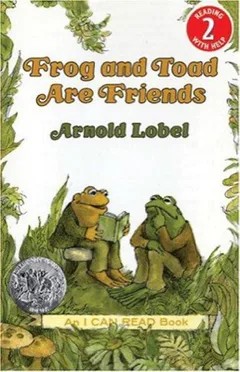 Frog and Toad Are FriendsAges 4–6 · 22 min · 2,281 wordsFull book page
- Estimated read-aloud time
- about 22 minutes
- Words
- 2,281
- Sentences per spread
- 3
- Re-read tolerance
- 4/5good repeat appeal
- Vocabulary
- 2/5everyday words
- Ages
- 4–6
Why it worksFive self-contained stories let a new reader complete a chapter-sized arc, while Frog and Toad's contrasting temperaments carry continuity across waking, searching, waiting and storytelling episodes.
Worth knowingThe quiet pacing is deliberately less joke-dense than Elephant & Piggie, and the whole volume is long for one sitting. Henry and Mudge offers similarly gentle early chapters with a child-and-dog relationship rather than two equal friends.
Full book page