
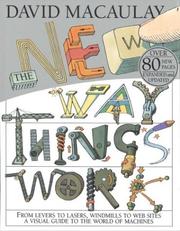
The Way Things Work
Macaulay and Neil Ardley move from levers, gears and pulleys to increasingly complex machines, using cutaways, diagrams and comic mammoths. Readers can trace a principle across devices instead of memorizing isolated inventions.
- First published
- 1988
- Reading stage
- For older children
Reading this with your child
Start with one mechanism
Choose a familiar object, find its basic principle and follow the arrows through the diagram. Reading a single system closely is more useful than attempting the encyclopedia from front to back.
Make the mammoths explanatory
The mammoths provide scale, force and humor, but they also model what pushes, pulls or turns. Ask what physical job each mammoth performs before translating it to the actual machine part.
Separate durable science from dated technology
Levers and gears still work as described, while computing and communications have changed substantially since 1988. Use the original to discuss technological history, then verify current devices separately.
Compare before choosing: Both reward close study of large illustrated pages; Macaulay explains causal mechanisms, while Base uses letter-based fantasy scenes for open-ended searching. View the comparison title →
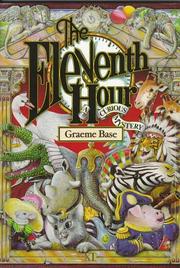 The Eleventh Hour
 A Light in the Attic
 Superfudge
 The Indian in the Cupboard