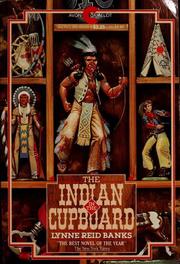
The Indian in the Cupboard
A cupboard and key bring Omri's plastic figure to life as Little Bear, a person from another time. The fantasy grows from possession into responsibility, but its language and Indigenous representation require explicit critical context.
- First published
- 1980
- Reading stage
- For older children
Reading this with your child
Track the shift from toy to person
List the moments when Omri learns that Little Bear has needs, history and agency beyond his game. The central ethical question is what changes once imagination has real consequences.
Interrogate the representation
Do not let the generic title or toy label stand in for a nation. Identify the book's stereotypes and dated terminology, then pair discussion with contemporary, tribally specific Indigenous-authored sources.
Question scale and power
Omri controls food, shelter, the cupboard and access to the larger world. Ask when protection becomes control and whether friendship is possible under such unequal physical conditions.
Compare before choosing: Both give a child extraordinary power; Omri must confront power over a living person, while Matilda directs hers against abusive adults in a comic revenge plot. View the comparison title →
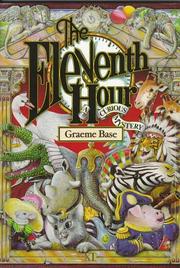 The Eleventh Hour
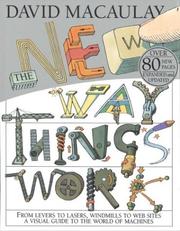 The Way Things Work
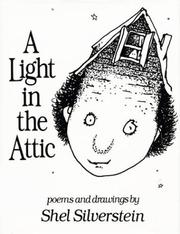 A Light in the Attic
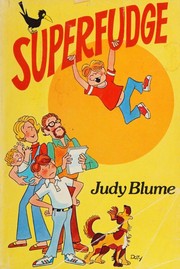 Superfudge