Polar Bear, Polar Bear, What Do You Hear?
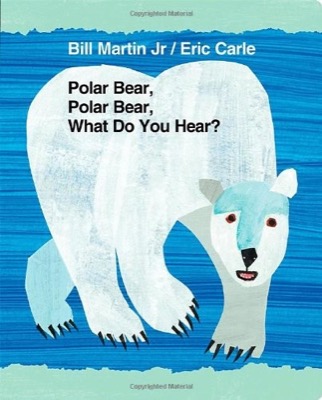
Zoo animals answer a repeated listening question with verbs for roaring, fluting, snorting and other sounds, then children imitate them for the zookeeper. The pattern joins animal identity to auditory language.
Polar Bear, Polar Bear, What Do You Hear? by Bill Martin Jr. is estimated to take about 3.5 minutes to read aloud (200 words, 1 sentence a spread). Best for ages 0-4.
Check the book on AmazonAffiliate link
- Estimated read-aloud time
- about 3.5 minutesEstimated read-aloud time
- Words
- 200Approximate
- Sentences per spread
- 1Text density
- Re-read tolerance
- 5/5strong repeat appeal
- Vocabulary level
- 3/5a few new words
- Best for
- Ages 0-4Age range
Our review
The repeated question passes from polar bear through a chain of zoo animals, but the answer is a sound and a sound-verb rather than a color. By the final spread, children perform the accumulated noises for the zookeeper, converting memory of the sequence into a group response. The less familiar verbs offer vocabulary beyond simple growls and squeaks.
Baby Bear, Baby Bear, What Do You See? uses the same frame for visual recognition and North American animals. Polar Bear is the better choice for listening, voice and action words. Because the animals appear through a zoo organizing device, another book is needed if the reader’s question concerns habitat or wild behavior.
Before you buy it
Many named sounds are represented by unusual verbs rather than familiar onomatopoeia. The zoo sequence supports participation but does not describe natural habitats or typical behavior.
Themes
- animal sounds
- zoo animals
- pattern
- listening
Books like Polar Bear, Polar Bear, What Do You Hear?
More books with similar themes, formats, lengths and ways to join in.
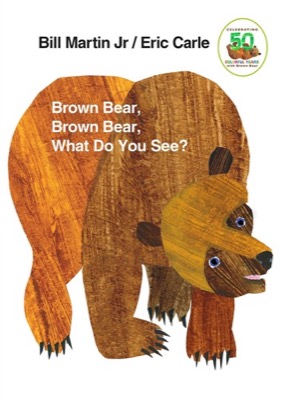 Brown Bear, Brown Bear, What Do You See?about 4 minutes estimated · book review
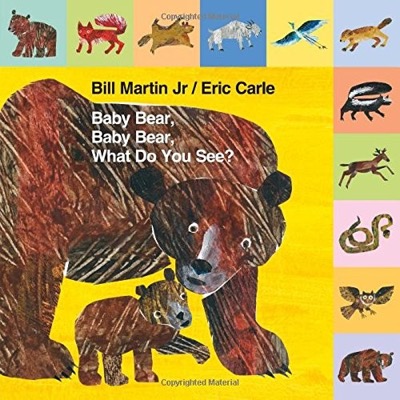 Baby Bear, Baby Bear, What Do You See?about 3.5 minutes estimated · book review
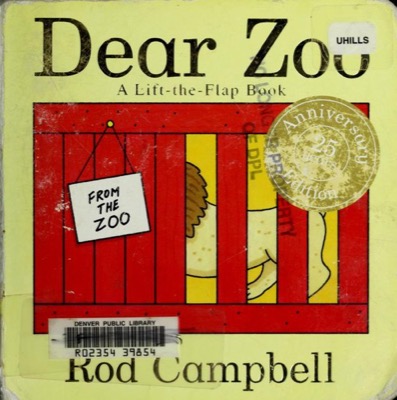 Dear Zooabout 3.5 minutes estimated · book review
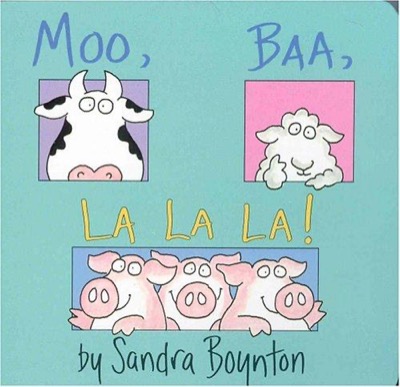 Moo, Baa, La La La!about 2 minutes estimated · book review
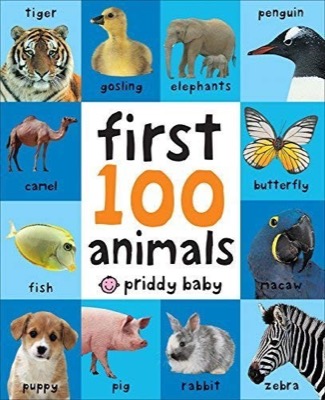 First 100 Animalsabout 2.5 minutes estimated · book review