
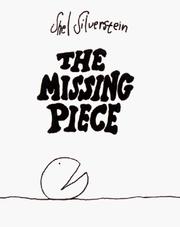
The Missing Piece
A rolling shape searches for the piece it believes will complete it, then discovers that getting what it wanted changes the journey.
- First published
- 1976
- Reading stage
- For older children
Reading this with your child
Track what the searcher can do at each stage
Before finding a fitting piece, the character moves slowly enough to sing and notice the world. Afterward it rolls differently. Compare those abilities without deciding too quickly that one state is the single correct ending.
Ask what 'complete' means in the story
The simple shapes invite symbolic readings about belonging, partnership or self-sufficiency, but the book does not settle one interpretation. Ask what the character expects, what actually changes and what evidence supports each reader's view.
Simple art does not mean a simple audience
The spare line drawings and repeated journey are accessible to young listeners, while the emotional ambiguity may interest older children more. It works best when there is time to talk after the final page.
Compare before choosing: Both pair Silverstein's words with spare drawings; Missing Piece sustains one ambiguous metaphor, while Sidewalk offers many unrelated poems and tones. View the comparison title →
 Where the Sidewalk Ends
 Tales of a Fourth Grade Nothing
 Otherwise Known as Sheila the Great
 How to Eat Fried Worms